
President Donald Trump spoke with Russian President Vladimir Putin on March 9, 2026, in a conversation that covered efforts to end both the war in Ukraine and escalating conflicts involving Iran. The hour-long call, initiated by Trump, was described by the Kremlin as "businesslike and frank," with Putin sharing proposals primarily aimed at resolving the Iran situation.
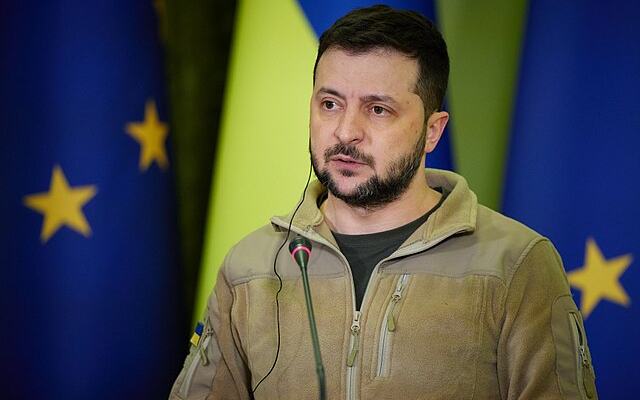
Trump reiterated his desire for a swift resolution to the nearly four-year conflict in Ukraine, pushing for a ceasefire as soon as possible. The discussion was built on earlier U.S. diplomatic initiatives, including a February announcement of a June deadline for Ukraine and Russia to reach an agreement. Ukrainian President Volodymyr Zelenskyy confirmed the U.S. had proposed trilateral talks in Miami following a mediated meeting in Abu Dhabi, though progress remains limited amid divergent demands.
Russia has demanded Ukrainian withdrawal from parts of Donbas, a condition Kyiv views as unconstitutional. Despite these hurdles, a prisoner swap of 157 individuals from each side occurred in early February, signaling some cooperation. Trump has repeatedly urged both sides to negotiate, telling Zelenskyy in a February call that he wants the war ended "as soon as possible."
However, military actions continue unabated. Russian forces have advanced in eastern Ukraine, capturing 12 settlements in the first two weeks of March, according to Moscow's top general. Ukraine has reported regaining some territory this year while intensifying drone strikes on Russian military sites to disrupt planned offensives.
Airstrikes remain a flashpoint. On March 7-8, Russian drones and missiles killed at least 10 people in Kharkiv, prompting Zelenskyy to call for bolstered air defenses. Russian strikes on energy infrastructure persisted into February, with over 400 drones and 40 missiles launched in one overnight barrage. Ukraine responded with massed drone attacks on Russian aircraft repair plants and air defenses.
European intelligence officials express skepticism about a near-term deal, noting Russia's unchanged strategic goals. Moscow has signaled no rush to negotiate, even as Trump pressures for deadlines. Past temporary pauses, such as a January weeklong halt on city bombings requested by Trump, offered brief relief but did not lead to broader de-escalation.
The Trump administration views economic incentives, like potential sanctions relief on Russian oil, as leverage amid global energy strains from other conflicts. As fighting grinds on, with Russia reporting territorial gains and Ukraine foiling offensives, the March 9 call represents the latest U.S. bid to broker limits on the war's scope.

Comments
No comments yet. Be the first to share your thoughts.