
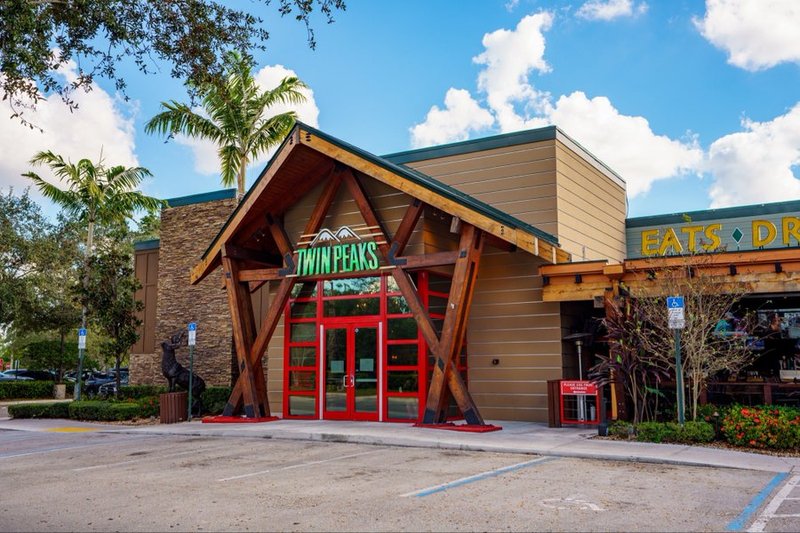
Twin Peaks, the Texas-founded sports-bar and restaurant chain known for its mountain-themed décor, “scenic views,” and made-from-scratch food, has filed for Chapter 11 bankruptcy protection in the U.S. Bankruptcy Court for the Southern District of Texas as of January 29, 2026, listing estimated assets and liabilities between $100 million and $500 million. The Dallas-headquartered company, founded in 2005, operates more than 100 locations across over 20 states, primarily in the South and Midwest. The filing will allow it to restructure debt and close underperforming locations while keeping most restaurants open during the reorganization process.
In a statement, CEO Joe Hummel said the filing was a proactive move to address mounting financial pressures facing the casual-dining industry. “Like many in the restaurant industry, we have faced significant headwinds from persistent inflation, rising labor costs, supply-chain disruptions, and increased competition,” Hummel said. “This filing gives us the breathing room to restructure our balance sheet, renegotiate leases, and emerge stronger.”
Court filings and industry reports cite several contributing factors, including sharp increases in food, labor, and energy costs since 2021; ongoing labor shortages affecting both kitchen and front-of-house staff; intensified competition from other sports-bar and casual-dining concepts; and post-pandemic shifts in consumer spending, with many customers opting for cheaper fast-casual options or delivery.
Under the Chapter 11 process, Twin Peaks plans to reject or renegotiate certain leases, reduce debt obligations, and invest in operational improvements such as menu simplification, technology upgrades like online ordering and loyalty programs, and employee retention initiatives. The company emphasized that restaurants will remain open during the restructuring, with gift cards and loyalty points honored.
The filing does not directly impact franchised locations, though franchise operators may face separate challenges depending on local market conditions. Twin Peaks has secured debtor-in-possession financing to support ongoing operations during the bankruptcy process.
The move comes amid a broader wave of financial distress in the casual-dining sector, with several major chains filing for bankruptcy or restructuring in recent years. Twin Peaks aims to emerge from Chapter 11 leaner and more competitive by mid-2026, though the coming months will be critical as it navigates creditor negotiations, lease decisions, and customer confidence.
