
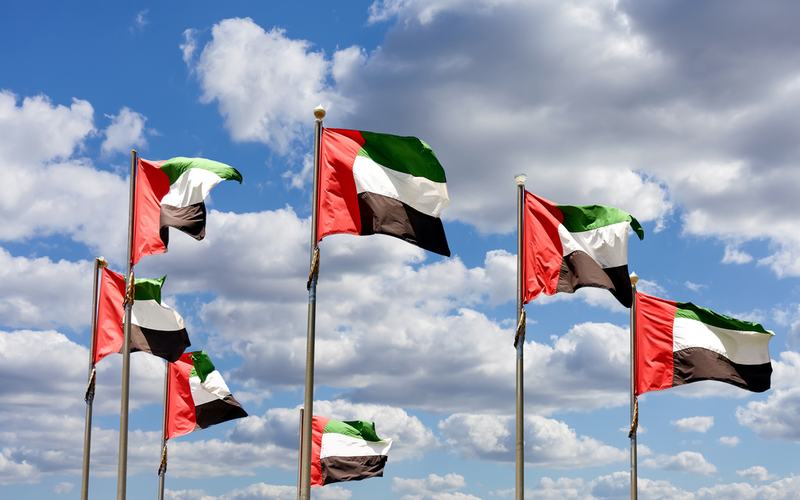
The United Arab Emirates denied reports from Israeli media on Sunday that it carried out its first strike against Iran by targeting a desalination facility.
Israeli outlets, including Channel 12, Army Radio, The Jerusalem Post, and Ynet, cited anonymous Israeli officials claiming the UAE hit the plant in retaliation for Iranian attacks on Gulf states. The reports described the action as symbolic and coordinated with Israel following weekend consultations.
UAE Federal National Council member Rashid Al Nuaimi, chairman of the Defense Affairs, Interior and Foreign Affairs Committee, rejected the claims on X, stating, “This is fake news. When we do something, we dare to announce it.” A senior UAE official told Arab News the country would never target Iranian civilians, adding, “The UAE will never place the Iranian people in the same basket as the Iranian regime.” Presidential adviser Anwar Gargash emphasized that any UAE defensive actions would be public, not based on leaks.
The denials came as Iran launched 16 ballistic missiles and 117 drones at the UAE on Sunday, most of which were intercepted by the UAE's air defenses. Four drones fell inside the country, and one missile landed in the sea. Bahrain reported material damage to a desalination plant from an Iranian drone attack the same day, marking the first such incident against Gulf water infrastructure in the conflict.
Iran's Foreign Minister Abbas Araghchi accused the United States of striking a desalination plant on Qeshm Island on Saturday, disrupting water for 30 villages and setting a precedent for civilian infrastructure attacks. The UAE has intercepted Iranian projectiles since the war began on February 28 with U.S. and Israeli strikes that killed Supreme Leader Ayatollah Ali Khamenei. Iran's Assembly of Experts named his son Mojtaba as successor amid ongoing bombardments.
Desalination plants are vital in the water-scarce Gulf, producing up to 90% of drinking water in countries like Kuwait and Bahrain. More than 400 facilities dot the coast, with Gulf states accounting for 60% of global capacity. Damage at the UAE's Fujairah complex and Kuwait's Doha West plant has been reported from nearby strikes. Experts warn prolonged disruptions could cause shortages within days, as reservoirs hold limited reserves.
UAE President Mohammed bin Zayed Al Nahyan stated the country was prepared to confront threats, saying it has “thick skin and bitter flesh.” Iranian leaders vowed continued strikes on states aiding the U.S. and Israel, as the conflict entered its ninth day with no resolution in sight.

Comments
No comments yet. Be the first to share your thoughts.