
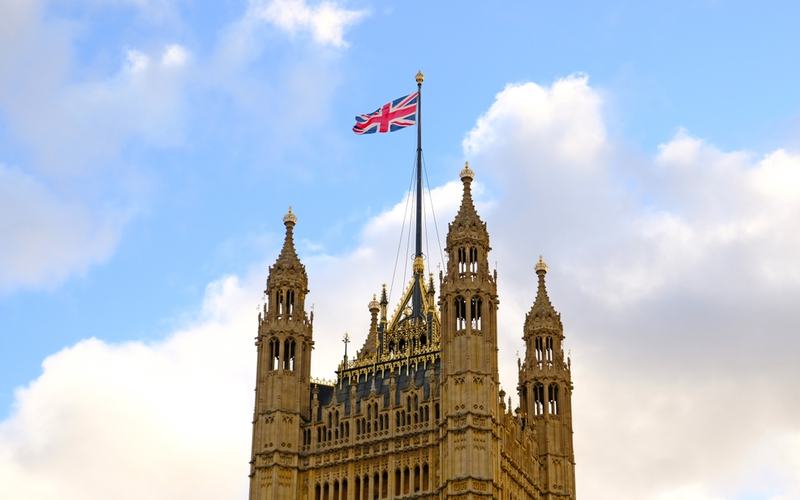
The UK government's Courts and Tribunals Bill advanced through its second reading in the House of Commons on March 10, securing approval by a vote of 304 to 203. The legislation seeks to reduce jury trials for certain criminal cases in England and Wales to tackle a mounting court backlog.
Justice Secretary David Lammy, who also serves as deputy prime minister, urged MPs to support the reforms during the debate. He described the criminal courts as "close to breaking point" due to inherited issues from the previous Conservative government, including reduced court sitting days. Lammy warned that without changes, the Crown Court backlog, currently nearly 80,000 cases, could swell to 200,000 by 2035, leading victims to abandon cases and offenders to evade justice.
Under the bill, defendants charged with "either-way" offences carrying a likely sentence of three years or less would lose the automatic right to a jury trial. These cases would shift to a single judge in a new "Bench Division" or "Swift Courts," expected to resolve 20% faster than jury proceedings. Magistrates would gain sentencing powers up to 18 months, with a reserve for two years, diverting more cases from the Crown Courts. Jury trials would remain guaranteed for the gravest crimes, such as murder, rape, manslaughter, grievous bodily harm, aggravated burglary, blackmail, people trafficking, and serious drug offences. Complex fraud cases could also proceed judge-only if deemed technical and lengthy.
The government projects these measures would fast-track about a quarter of current jury trial cases, freeing capacity for serious offences and prioritizing victims who face waits of up to three or four years. Six in 10 rape victims withdraw from prosecutions amid delays, highlighting the urgency.
Opposition emerged within Labour ranks, with 10 MPs voting against the bill, including Apsana Begum, Richard Burgon, and John McDonnell, and around 90 abstaining. Rebel MP Nadia Whittome called it a "short-termist cost-cutting measure" that entrenches inequality, while former barrister Karl Turner labeled it "unworkable, unpopular, unjust and unnecessary." Conservatives and Liberal Democrats criticized the rushed process and argued that jury trials, used in only 3% of cases, do not drive the backlog.
Legal groups echoed concerns. The Criminal Bar Association deemed the changes a "wrecking ball" to the system, warning of eroded public trust and biased risks in judge-only trials, especially for marginalized defendants. England's top judge, Lord Burnett, highlighted "grave security concerns" for judges handling more solo cases in the same venues, amid rising online abuse.
The proposals originated from a December 2025 announcement, when Lammy unveiled plans to scrap jury trials for sentences under three years, up from a prior two-year threshold, to address a backlog projected at 100,000 cases by 2028. The bill, introduced in February, now heads to committee for scrutiny, where rebels hope to amend or block key provisions.
Proponents maintain that three-quarters of Crown Court trials would still involve juries, preserving the system's cornerstone while modernizing for efficiency.

Comments
No comments yet. Be the first to share your thoughts.