
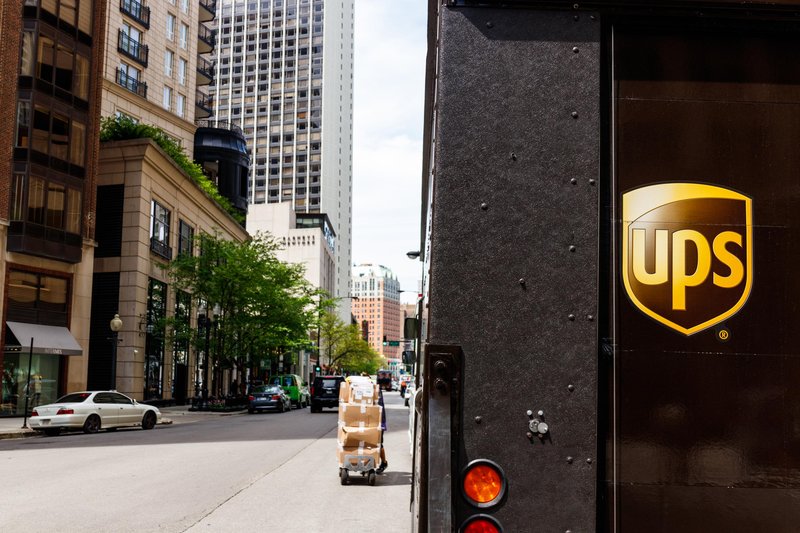
The United Parcel Service (UPS) has confirmed plans to eliminate up to 30,000 high-paying, unionized delivery driver positions throughout 2026 as part of a sweeping cost-cutting and modernization effort. The move relies heavily on automation, route optimization, and workforce attrition as the company seeks to rein in labor costs and respond to intensifying competition from Amazon and other logistics rivals.
UPS executives detailed the reduction strategy during recent investor calls and internal briefings, projecting the removal of roughly 20% of its U.S. delivery driver workforce. The cuts will be carried out through a mix of natural attrition, voluntary buyouts, reduced hiring, and targeted layoffs, with a primary focus on full-time, union-represented drivers. In many markets, these positions carry total compensation packages, wages plus benefits, that far exceed $100,000 annually.
Company leadership cited several factors driving the decision. UPS is accelerating its automation push, expanding the use of AI-powered route optimization, robotics in sorting hubs, electric and autonomous delivery vehicles, and limited drone operations to reduce dependence on human drivers. Executives also pointed to a post-pandemic overexpansion, noting that staffing surged during the 2020–2022 e-commerce boom and now must be scaled back as delivery volumes normalize yet operating costs remain high.
Competitive pressure is another major factor. Amazon’s rapidly expanding in-house delivery network and reliance on lower-cost gig and contractor models have squeezed margins across the industry, forcing legacy carriers like UPS and FedEx to pursue aggressive efficiency measures. UPS has also noted that provisions in its 2023 Teamsters contract provide greater flexibility for technology adoption and workforce adjustments, despite union opposition to large-scale driver reductions.
The Teamsters Union, which represents most UPS drivers, has sharply criticized the plan, calling it a betrayal of the 2023 national contract that delivered historic wage increases, expanded full-time positions, and new safety standards such as air-conditioning in delivery vehicles. Union leaders warn that cutting 30,000 drivers could result in longer routes, heavier workloads, and increased safety risks for remaining employees, accusing management of prioritizing shareholder returns over the workforce that sustained UPS during the pandemic surge.
UPS maintains that the reductions will be phased in gradually throughout 2026, with attrition and voluntary severance accounting for a significant share of the job losses. The company insists that customer service and delivery reliability will not be compromised, arguing that efficiency gains from automation and technology upgrades will offset the reduced headcount.
