
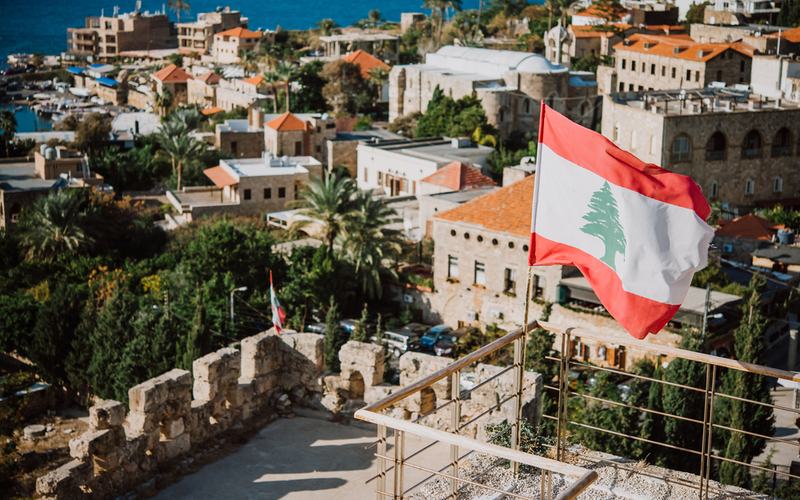
The United States ordered nonessential diplomats and their family members at the U.S. Embassy in Beirut to leave Lebanon three days ago, citing heightened security concerns amid escalating tensions with Iran.
A State Department travel alert stated the move was due to the security situation in Beirut, restricting in-country travel for remaining essential personnel while keeping the embassy operational. An official described the departure as a temporary, prudent reduction in footprint following a continuous assessment of the regional environment.
The decision comes as the U.S. has amassed its largest military presence in the Middle East in decades, including a second aircraft carrier en route to the region alongside a surge of warships and aircraft. President Donald Trump has repeatedly warned of potential strikes if Iran fails to agree to constraints on its nuclear program.
Lebanon holds historical significance in U.S.-Iran friction due to Tehran's backing of Hezbollah, blamed for bombings of the Marine barracks and a U.S. embassy annex in Beirut in 1983 and 1984. Embassy staffing changes in Beirut have long served as indicators of impending U.S. or Israeli action against Iran, as seen before Trump's strikes on Iranian nuclear facilities last June.
Indirect U.S.-Iran nuclear talks, held today in Geneva, concluded without a breakthrough, with mediators indicating a reconvene next week amid disagreements over uranium enrichment. Iran's Foreign Minister Abbas Araghchi had expressed optimism Sunday for a diplomatic solution and anticipated sharing a proposal soon. Trump, asked Friday about limited action during negotiations, replied he was considering it and urged Iran to secure a fair deal.
The U.S. push includes demands beyond nuclear limits, such as curbing Iran's missile program and ties to armed groups, which Tehran has rejected. Oman mediated confirmation of today's talks. Secretary of State Marco Rubio may postpone a planned Israel visit this weekend, and he is set to brief lawmakers on Iran developments.
Israel has intensified strikes in southern Lebanon, documenting over 2,000 sovereignty breaches since late 2025 despite a U.S.-backed ceasefire. Hezbollah, weakened but defiant, has not ruled out involvement if the U.S. strikes Iran, prompting Lebanese officials to urge restraint. Australia's government has similarly ordered families of its diplomats in the region to evacuate.
It remains unclear if other U.S. embassies in the Middle East will issue similar orders.

Comments
No comments yet. Be the first to share your thoughts.