
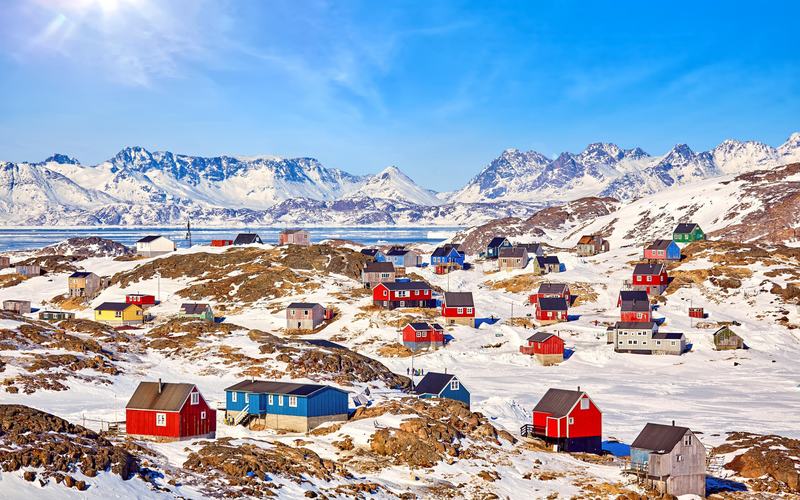
The United States is negotiating with Denmark to gain access to three additional defense areas in Greenland, a move that would significantly expand the U.S. military footprint on the strategically vital Arctic island.
Gen. Gregory Guillot, commander of U.S. Northern Command and the North American Aerospace Defense Command, revealed the discussions during a Senate hearing on March 19. The talks fall under the 1951 U.S.-Denmark defense agreement, which has long permitted American operations in Greenland. Guillot described Denmark and Greenland authorities as "very cooperative," noting that they have accommodated all U.S. requests to date.
Specific locations for the new sites remain undisclosed, though analysts point to potential candidates such as Narsarsuaq in southern Greenland and Kangerlussuaq in the southwest. These areas feature Cold War-era infrastructure, including airfields and deep-water ports that could support expanded operations. No formal agreements have been signed, and negotiations continue.
The push comes amid heightened Arctic competition with Russia and China, where Greenland's position offers critical advantages for missile detection, space surveillance, and potential resource extraction. Pituffik Space Base, the U.S. military's sole installation in Greenland with about 150 personnel, already hosts key sensors for the Ballistic Missile Early Warning System and space domain awareness.
To bolster Pituffik, the Pentagon plans up to $25 million in airfield upgrades, including a new runway lighting system and a river-crossing bridge to enhance flight operations in the challenging permafrost environment. Bids for the work were solicited in January, with construction eyed for summer 2026.
President Donald Trump has championed greater U.S. control over Greenland for national security, citing threats from adversaries and the island's rare earth minerals. Earlier tensions, including threats of sanctions, eased following Trump's meeting with NATO Secretary General Mark Rutte, paving the way for working groups on Arctic security.
Denmark has signaled openness to increased U.S. presence while reinforcing its own capabilities with NATO allies. Some Greenlanders have expressed opposition to further militarization. The U.S. recently deployed aircraft to Pituffik as part of routine NORAD exercises.
This development underscores the Arctic's growing geopolitical importance as ice melts open new routes and resources.

Comments
No comments yet. Be the first to share your thoughts.