
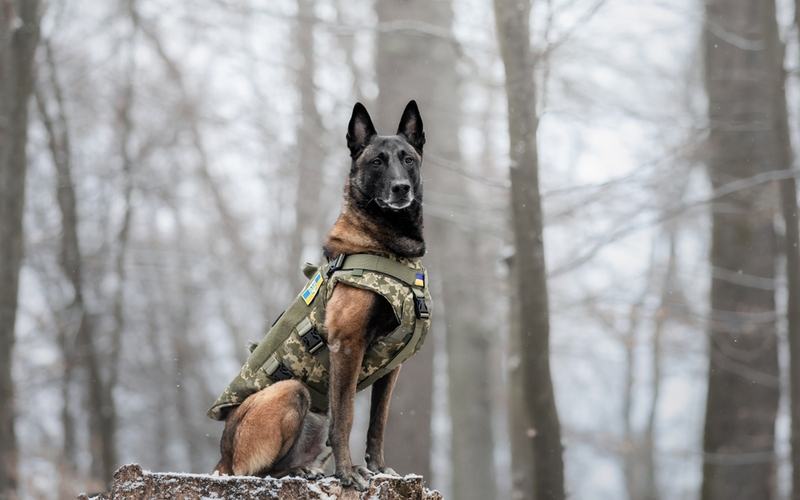
A new defense technology startup called Warhound has raised $200 million in seed funding to genetically engineer high-performance dogs for military and other demanding missions.
“Man's best friend deserves man's best tech,” Anduril cofounder Palmer Luckey said in describing the company's mission. Luckey and Ben Lamm, cofounder of biotechnology company Colossal Biosciences, launched the venture to strengthen the supply of working dogs available to American security and emergency personnel.
Warhound said Thursday that many military working dogs currently serving in the United States are acquired from Europe, while a significant number are eventually deemed unfit for service. The company aims to develop healthier dogs with improved physical abilities and greater success rates during training.
Colossal Biosciences will contribute its genetic engineering expertise to the project. The company uses gene-editing technology in efforts to protect endangered species and pursue the revival of extinct animals. For Warhound, its work will focus on producing dogs better suited to demanding assignments, including improving speed, agility and the ability to detect explosives.
Anduril's contribution will center on protective equipment and other hardware designed to help keep dogs and their handlers safe. Potential equipment includes eye and ear protection. Luckey does not hold an equity stake in Warhound.
The startup's $200 million seed funding round attracted several major investors, including In-Q-Tel, Sequoia Capital, ARK Invest and Franklin Templeton.
“Palmer, Ben and the Warhound team are exceptional. Sequoia is proud to back them,” Sequoia Capital partner Shaun Maguire said in the company's announcement.
Warhound will be led by CEO David Spirk, a former U.S. Marine Corps member and senior counselor at Palantir who previously served as a data officer for the Department of War.
Based in Texas, the company says animal welfare will remain a priority as it develops its technology. Warhound said it is certified by the American Humane Society, which it described as the nation's first national animal welfare organization.
The company argues that improving canine health and training outcomes could reduce the number of dogs subjected to intensive training when they are unlikely to succeed, while helping handlers carry out missions more safely.
Warhound's plans combine biotechnology with defense equipment development, targeting a specialized need for working dogs in military operations, law enforcement, and emergency response

Comments
No comments yet. Be the first to share your thoughts.