
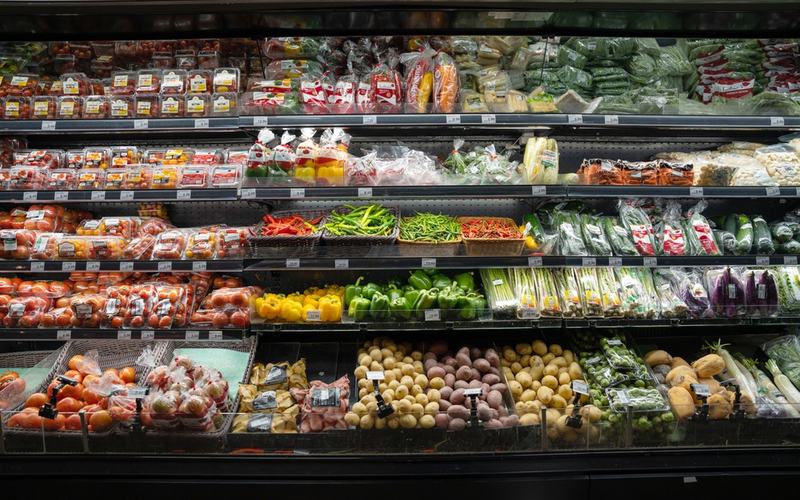
Wholesale prices for fresh and dry vegetables surged 26.7% in October after increasing 30.7% in September, according to Labor Department data released Friday, November 13. The back-to-back increases left vegetable prices 36% higher than they were a year earlier, adding pressure to food costs as overall producer prices recorded their largest annual gain in nearly four years.
The figures come from the Bureau of Labor Statistics' Producer Price Index (PPI), which measures the prices U.S. businesses receive for goods and services before products reach consumers and retail markups are applied. Wholesale price movements can provide an indication of future consumer inflation, although retailers do not necessarily pass every increase along to customers.
The latest vegetable price surge reversed a steep decline during the summer. Prices fell 6% in June and plunged 34.9% in July before rising 1.9% in August. The sharp increases in September and October erased much of that earlier decline.
Vegetables helped drive a 1.3% increase in the index for final demand foods in October, following a 1.1% rise the previous month. Other major food categories moved in the opposite direction. Fresh fruit and melon prices declined 1.8%, grain prices fell 9.2%, and egg prices dropped 8.8%. Egg prices were down 63.5% compared with October of last year.
The broader Producer Price Index for final demand increased 0.3% in October, slowing from a 1.4% jump in September and a 0.4% increase in August. Despite the smaller monthly gain, producer prices climbed 6.5% over the 12 months ending in October, marking the largest annual increase since prices rose 7.4% in November 2022.
Prices for final demand goods rose 0.5% in October after jumping 2.5% in September. On an annual basis, goods prices increased 10.2%, the largest 12-month gain since October 2022.
Beyond vegetables, prices increased for several industrial and food-related products. Basic organic chemicals rose 3.9%, while gas fuels, jet fuel and processed young chickens also recorded increases. Energy prices edged down 0.1% overall, including a 7.9% decline in diesel fuel. Pork and passenger car prices also fell.
Service-sector prices increased 0.2%, marking the fifth consecutive monthly gain. Approximately three-fourths of the increase came from transportation and warehousing services, which rose 2%. Truck freight prices were a major contributor, climbing 3.9%.
A measure of producer prices that excludes food, energy and trade services increased 0.5% in October, matching September's gain. The index was up 4.9% over the past year, indicating continued price increases across a range of underlying business services and products.
Further up the supply chain, prices for unprocessed goods declined 3.1% in October, the largest monthly drop since June. Crude petroleum prices fell 10.3%, contributing to the decrease.
The Bureau of Labor Statistics also revised data covering June through September. Its next Producer Price Index report, covering November, is scheduled for release on December 15.

Comments
No comments yet. Be the first to share your thoughts.