
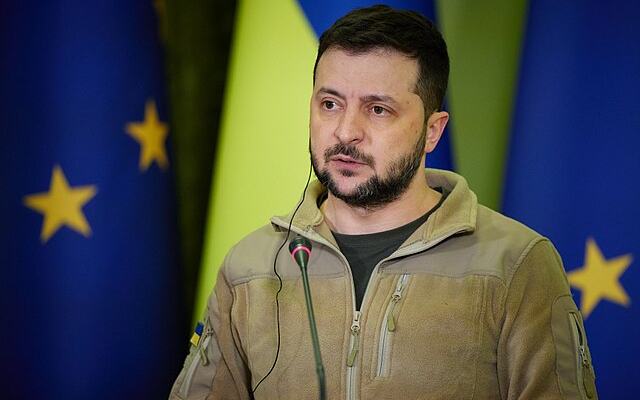
Ukrainian President Volodymyr Zelensky sharply criticized European allies on Sunday, accusing them of 'blackmail' over demands to repair and reopen the Soviet-era Druzhba oil pipeline, which transports Russian crude through Ukraine to Hungary and Slovakia.
The pipeline has been offline since January, when Ukraine reported it was damaged by Russian air strikes. Kyiv's state-owned Naftogaz described repairs as a complex process requiring specialized equipment and ongoing work amid security threats, estimating up to six weeks or more for restoration.
Zelensky, in remarks released today, said he opposed resuming flows of Russian oil while EU sanctions against Moscow remain in place. 'We either sell Russian oil or we don't,' he stated. 'Because [the EU] is forcing me to restore Druzhba. How is this different from lifting sanctions on the Russians?'
He went further, warning that tying the pipeline's reopening to aid or weapons would cross a line. 'If we have decided to restore Russian oil supplies, then I want them to know that I am against it. ... But if I am given conditions that Ukraine will not receive weapons, then, excuse me, I am powerless on this issue; I told our friends in Europe that this is called blackmail,' Zelensky said.
Hungary and Slovakia, which rely heavily on the Druzhba pipeline for their energy needs, have threatened to block EU assistance to Ukraine unless flows resume promptly. Hungary, in particular, has halted approval of a €90 billion EU loan to Kyiv and new sanctions packages against Russia, linking the moves to the pipeline dispute. Hungarian Prime Minister Viktor Orban faces elections in April, and critics suggest the standoff bolsters his domestic narrative on energy security.
The European Commission has proposed a fact-finding mission to inspect the damage and assess repair timelines, urging Ukraine to allow access. Zelensky noted that the €90 billion loan was approved unanimously by all 27 EU member states and must be disbursed.
The Druzhba pipeline, meaning 'friendship' in Russian, has long been a point of contention. EU sanctions have phased out most Russian oil imports but granted exemptions for landlocked nations like Hungary and Slovakia via this route, set to expire by the end of 2026. Ukraine has briefed diplomats from 31 countries, including G7 members, on the strike damage.
This row unfolds amid broader energy strains. Global oil prices have surged past $100 a barrel following U.S.-Israeli strikes on Iran in late February, prompting the U.S. to ease some sanctions on Russian oil sales. Zelensky expressed concerns that such moves benefit Russia and warned of potential shifts in U.S. focus away from Ukraine due to Middle East conflicts.
No immediate responses came from Hungary, Slovakia, or the EU Commission as of Sunday evening. The dispute highlights tensions between Ukraine's war efforts and Europe's energy dependencies.

Comments
No comments yet. Be the first to share your thoughts.