
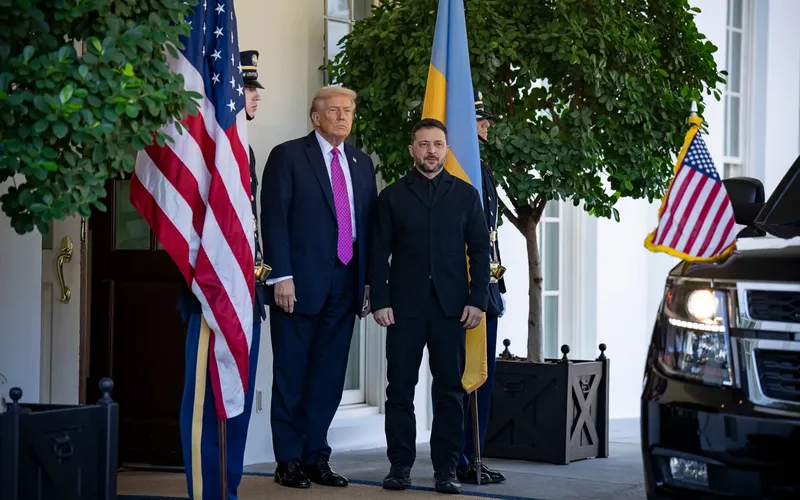
Ukrainian President Volodymyr Zelensky lashed out at President Donald Trump on Friday after the United States reached an agreement with Russia to increase diesel fuel supplies, accusing the administration of treating Russian President Vladimir Putin more favorably while Ukraine continues to fight Moscow’s invasion.
Speaking to Axios, Zelensky called Trump’s decision “not fair and not honest,” arguing that the agreement would benefit Putin. “You know, it looks like a happy birthday present for Putin. It looks absolutely terrible,” Zelensky said, referring to the Russian leader’s birthday earlier in the week.
Trump announced the agreement following a conversation with Putin, saying Russia would immediately supply more than 300,000 tons of diesel fuel to American and global markets, with additional shipments planned for November and beyond. The administration’s move is intended to increase fuel availability and help bring down prices amid a global energy supply crunch.
Zelensky’s criticism came as Ukrainian and European representatives were meeting with American officials in Miami to discuss proposals for ending the war. He said Ukrainian negotiators had traveled to the United States expecting discussions about diplomacy, only to learn that Trump was also negotiating directly with Putin over Russian energy exports.
The Ukrainian president argued that easing sanctions without securing a meaningful concession from Moscow would provide Russia with additional revenue while its war against Ukraine continues. He said he would have supported sanctions relief if it were tied to an agreement to halt attacks on energy infrastructure during the winter.
Trump, however, has emphasized the economic benefits of increasing diesel supplies, particularly for American consumers and industries affected by high fuel costs. Diesel is essential to trucking, agriculture, and other parts of the economy, meaning elevated prices can contribute to higher costs throughout the supply chain.
Zelensky’s remarks underscore the competing priorities facing Washington as the administration seeks to lower domestic energy costs while pursuing an end to the war. His objections also raise questions about whether Kyiv expects the United States to maintain economic pressure on Moscow regardless of the potential benefits of additional Russian fuel supplies.
While Zelensky has framed the agreement as a concession to Putin, the administration’s stated objective is to expand available supplies and reduce energy prices. The disagreement highlights a broader tension between Ukraine’s demand for continued pressure on Russia and Washington’s efforts to pursue energy and diplomatic arrangements that serve American interests.

Comments
No comments yet. Be the first to share your thoughts.