
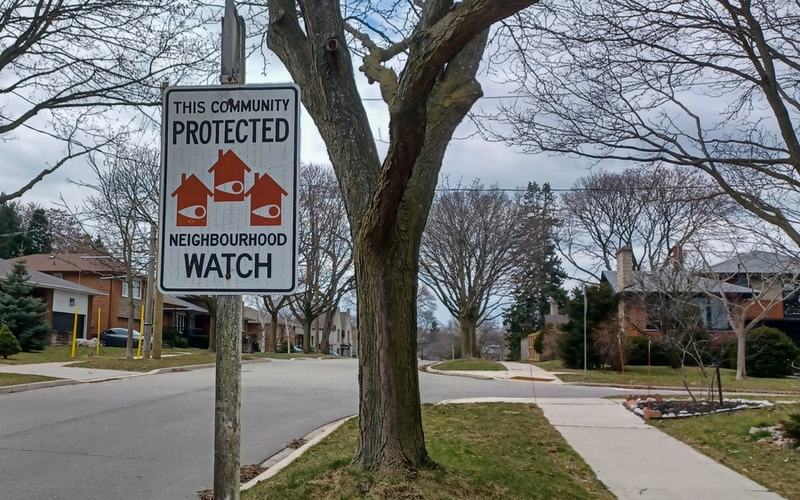
Ann Arbor, Michigan, has finished removing more than 600 Neighborhood Watch signs across the city, a move officials say promotes a more inclusive environment.
The city announced the completion of the effort this week, following a unanimous 10-0 City Council vote on December 15, 2025, to direct the removals. The signs, dating back to the 1970s, were part of a defunct neighborhood watch program that city leaders described as outdated and inconsistent with modern public safety practices.
Officials allocated $18,000 from cash reserves for the project, with the actual cost coming in at about $16,500, as the work did not qualify for standard street maintenance funding. The final sign came down ceremonially on April 21, 2026, at the corner of Princeton Avenue and South Seventh Street, where Mayor Christopher Taylor and council members Jen Eyer and Cynthia Harrison participated.
In a city video, Taylor stated, "Neighborhood watch signs are expressions of exclusion, and they're inconsistent with our values. Ann Arbor is a welcoming community. We don't want to push people away; we want to welcome folks in." Eyer added that the program "hearkens back to a time when public safety was about exclusion, was about monitoring and surveilling who belonged in a neighborhood and who did not." Harrison, who is Black, noted experiences of people from her community being questioned in neighborhoods and emphasized the city's desire for everyone to feel welcome.
The city argued the signs emerged during a period of national anxiety over crime and social change, reinforcing race-based hyper-vigilance toward Black, Brown, and marginalized residents. Officials cited research showing such signage does not reduce crime and can promote biased surveillance. The resolution described the programs as rooted in assumptions about neighborhood belonging.
The decision has drawn mixed reactions. Supporters praised it as addressing profiling concerns, with some social media users noting similarities to modern neighborhood apps. Critics, however, mocked the effort online, calling it an invitation to criminals and an example of misguided priorities. Conservative commentator Tudor Dixon said Democrats have reached "a new level of protecting the criminal over the community." New York City Council Republican Vickie Paladino labeled it "just insane."
Originally, grassroots anti-crime initiatives partnering with police in the 1970s and 1980s, the programs involved block patrols but faded over time, leaving signs as relics. Some residents pointed out ongoing surveillance tools like Flock cameras and drones as more intrusive than old signs.
Ann Arbor maintains its focus on evidence-based public safety strategies amid the changes.

Comments
No comments yet. Be the first to share your thoughts.