
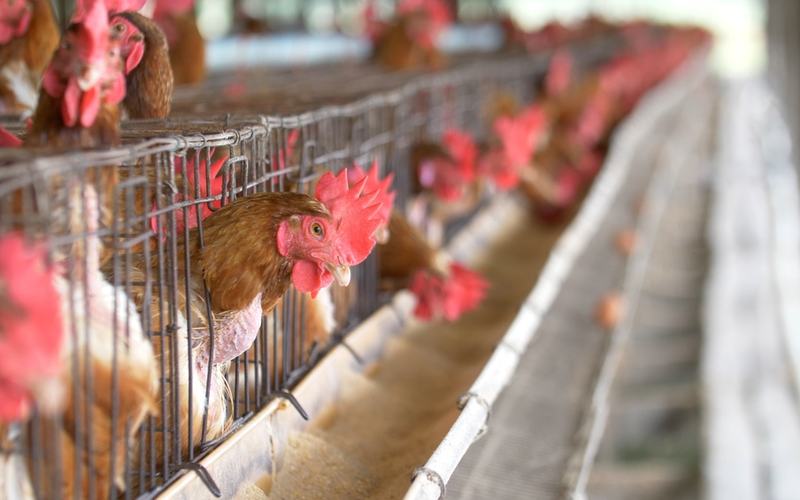
A surge in U.S. chicken production has created a market surplus, driving down wholesale prices and providing relief to shoppers facing elevated costs for other proteins.
Wholesale prices for boneless, skinless chicken breasts have fallen about 37 percent over the past 12 months, according to recent market data. Retail prices for the same cut declined roughly 1.4 percent in June compared to the prior year. The drop stems from expanded broiler flocks, larger bird breeds, and steady consumer demand that has not kept pace with supply growth.
Poultry companies increased output after strong demand during periods of high beef prices. Broiler production rose from 46.5 billion pounds in 2024 to 47.5 billion pounds in 2025, with further gains early in 2026. This expansion, combined with improved egg fertility rates and higher chick placements, has outstripped current consumption levels.
Industry analysts note that processors now face challenges including labor shortages and elevated freight costs, yet the overall supply remains heavy through the end of the year. Wholesale declines have already translated to modest savings at grocery stores, where chicken remains more affordable than beef amid ongoing cattle herd reductions.
The U.S. Department of Agriculture's Economic Research Service reported that poultry prices fell 0.6 percent from May to June 2026 and stood 0.1 percent lower than in June 2025. While forecasts call for a modest 1.0 percent annual increase for 2026, recent monthly data reflect the effects of the current glut.
Consumers have benefited as chicken serves as a lower-cost protein alternative. The surplus has squeezed processor margins but delivered direct price relief without requiring policy interventions or subsidies.
Market observers expect production adjustments later in 2026 as lower prices reduce incentives for further expansion. In the meantime, the increased supply continues to moderate costs for families purchasing staple poultry items.

Comments
No comments yet. Be the first to share your thoughts.