
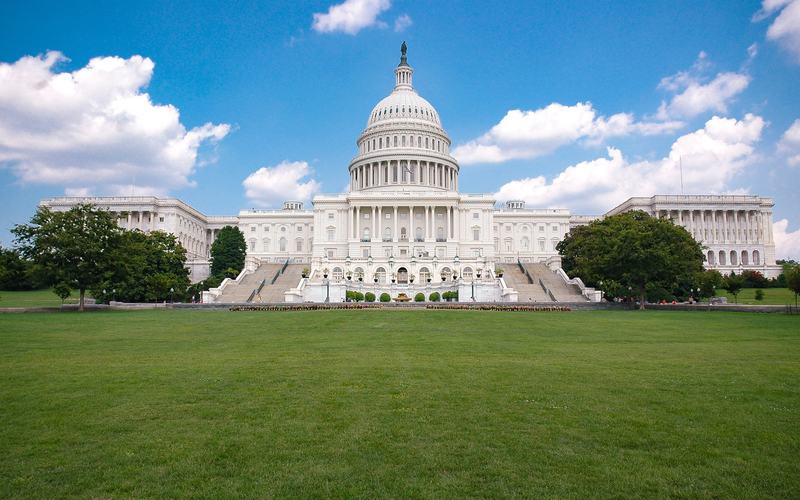
The House of Representatives passed a short-term extension of a key surveillance program under Section 702 of the Foreign Intelligence Surveillance Act until April 30 early Friday morning, averting an imminent lapse following a late-night revolt by Republican conservatives.
Lawmakers approved the measure by unanimous consent shortly after midnight Eastern time, hours after a procedural vote on a proposed five-year renewal collapsed due to GOP defections. The program, which authorizes the CIA, NSA, and FBI to collect communications of foreign targets abroad without warrants, was facing expiration as soon as Sunday. U.S. intelligence officials have warned that failure to renew it would hinder efforts to disrupt terrorist plots, cyber intrusions, and foreign espionage.
The dramatic turn came amid intense internal Republican divisions. President Donald Trump and his allies had lobbied aggressively for a clean 18-month reauthorization without reforms, posting on Truth Social: "I am asking Republicans to UNIFY, and vote together... We need to stick together." House Speaker Mike Johnson initially backed that approach but shifted to a longer bill with revisions late Thursday, only for privacy-focused conservatives to block it.
"We were very close tonight," Johnson said after the procedural vote failed. He added, "We want to make sure that we have this very important tool for national security, but we also do it in a way that jealously guards constitutional rights." Holdouts, including members pushing for warrants before querying Americans' incidentally collected data, refused to support the longer plan, echoing long-standing debates over privacy protections.
Democrats criticized the chaotic process. House Rules Committee Ranking Member Jim McGovern, D-Mass., remarked during debate: "Does anybody actually know what the hell is in this thing? Are you kidding me? Who the hell is running this place?"
Section 702, enacted after the September 11, 2001, attacks, has been renewed multiple times with minimal changes despite criticism from civil liberties advocates. Privacy hawks from both parties have sought requirements for court approval before searching U.S. persons' data, arguing it better protects Fourth Amendment rights. Intelligence leaders counter that such mandates would cripple the program's effectiveness.
The two-week extension now heads to the Senate, where lawmakers face a tight deadline before the original authority lapses. House GOP leaders, including Majority Leader Steve Scalise, had been negotiating with the White House throughout the week to bridge divides. Further talks on a permanent reauthorization are expected, balancing national security imperatives against demands for oversight.

Comments
No comments yet. Be the first to share your thoughts.