
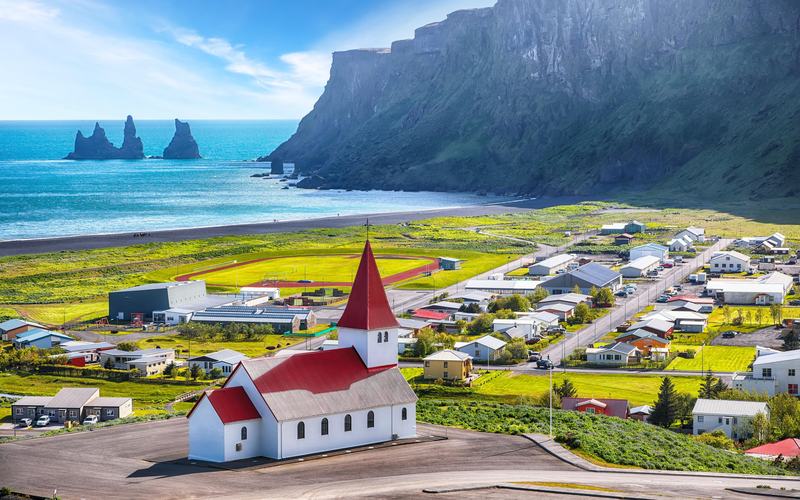
Iceland is moving closer to a potentially historic decision on its relationship with the European Union, with the government preparing for a referendum that could restart membership negotiations more than a decade after they were abandoned.
Prime Minister Kristrún Frostadóttir said changing security conditions in the North Atlantic and Arctic regions have contributed to a renewed national debate over whether Iceland should pursue closer integration with Europe. Parliament is expected to consider a proposal for a referendum, tentatively scheduled for Aug. 29, on whether to reopen accession talks with the EU.
If voters approve the measure, negotiations with the bloc could resume later this year. Any final membership agreement would still require a separate national referendum before Iceland could formally join the European Union.
The issue has gained attention amid growing geopolitical competition in the Arctic. Frostadóttir said the discussion intensified following repeated comments by President Donald Trump regarding the possibility of the United States acquiring Greenland. The vast Arctic territory occupies a strategic position between North America and Europe and has become increasingly important as global powers focus more heavily on the region.
Iceland, a nation of about 400,000 people, first applied for EU membership in 2009 after its banking system collapsed during the global financial crisis. Formal negotiations began the following year but eventually stalled amid disputes over fisheries policy, agriculture, and concerns that membership could reduce Iceland's control over key national interests. Talks were suspended in 2013 and officially withdrawn in 2015.
Fishing remains one of the most sensitive issues in the debate. Iceland's fishing industry is a major pillar of the national economy, and many citizens remain concerned that EU membership could affect the country's authority over fishing quotas and territorial waters. Those concerns have historically been among the strongest arguments against joining the bloc.
At the same time, economic challenges and security concerns have altered the political landscape. Rising living costs, inflation, and Russia's war in Ukraine have prompted some Icelanders to reconsider the benefits of closer ties with Europe. Iceland is already a member of NATO but does not maintain a standing military, relying heavily on alliance partners for defense.
Although Iceland participates in European institutions through the European Economic Area, the Schengen Area, and the European Free Trade Association, it is not a member of the European Union and does not have a vote in EU policymaking.
Recent polling suggests the country remains divided on whether to revive accession talks, highlighting the continuing debate between maintaining Iceland's independence and pursuing deeper integration with Europe. The referendum, if approved, could mark the first major step toward determining the country's long-term place in an increasingly uncertain geopolitical environment.

Comments
No comments yet. Be the first to share your thoughts.