
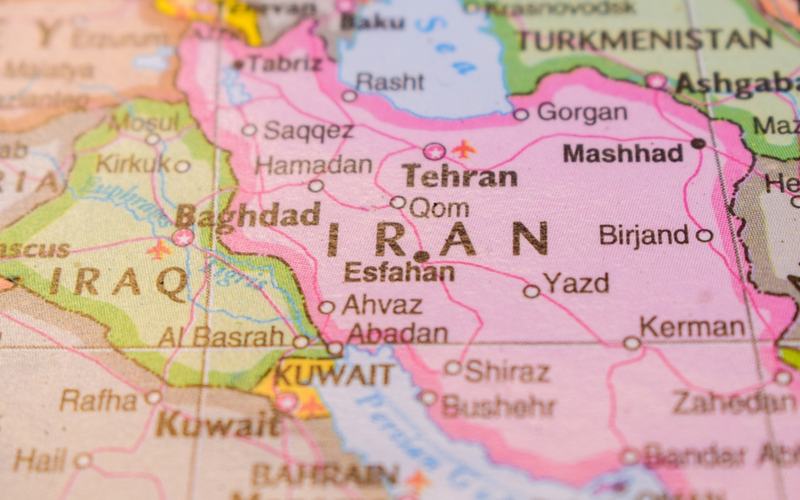
U.S. intelligence assessments indicate Iran retains roughly 70 percent of its pre-war ballistic missile stockpiles and 60 percent of its launchers following recovery efforts from airstrikes. The estimates come amid a fragile ceasefire between the U.S., Israel, and Iran that took effect earlier this month and is set to expire on April 22.
A senior Israeli Defense Forces representative warned Knesset lawmakers in a closed briefing that Iran has resumed large-scale ballistic missile production roughly six months after a prior 12-day conflict with Israel. The IDF assesses Tehran aims to launch hundreds of missiles simultaneously in any future clash, potentially 500 to 1,000 at once. Israeli officials expressed concern over Iran's rapid restoration of capabilities, noting it as a top priority for the regime.
The current assessment follows a U.S.-Israeli air campaign, dubbed Operation Epic Fury, that began on February 28, 2026. Strikes targeted over 450 ballistic missile storage sites, 800 drone facilities, and much of Iran's defense industrial base, including key production centers at Khojir, Shahroud, Parchin, and Hakimiyeh. U.S. Central Command reported destroying 70 percent of Iran's steel production capacity, essential for missile manufacturing.
Despite the damage, Iran has excavated buried stockpiles from underground facilities and damaged depots. U.S. officials now believe Tehran holds thousands of short- and medium-range ballistic missiles, cruise missiles, and one-way attack drones, preserved through concealment. Iran retains about 40 percent of its pre-war drone arsenal.
Iranian state media reported on April 1 that missile production at strategic bases continues consistently, with capacity steadily increasing and ongoing upgrades to systems like the Etemad missile, an improved version of the Emad with enhanced guidance to evade defenses. Prior to the recent war, IDF estimates placed Iran's production at dozens of ballistic missiles per month, on an upward trajectory toward 50 to 100.
The 2026 conflict followed a June 2025 12-day war, during which Iran fired over 500 ballistic missiles and 2,000 drones at Israel and U.S. targets. U.S. and Israeli forces intercepted about 1,700 incoming projectiles during the latest escalation. Missile launch rates dropped 90 percent from the war's outset due to degraded capabilities, but recovery efforts have reversed some losses.
The ceasefire has allowed Iran to accelerate rebuilding, with Revolutionary Guard Corps officials claiming restored and upgraded strike systems. U.S. Defense Secretary Pete Hegseth noted Iran is digging out remaining munitions, while a naval presence enforces a blockade on Iranian oil exports.
Western diplomats worry the buildup risks miscalculation, especially with no clear post-ceasefire framework. Iran's retained arsenal poses a potential threat to maritime traffic in the Strait of Hormuz, where it could disrupt shipping if tensions reignite.

Comments
No comments yet. Be the first to share your thoughts.