
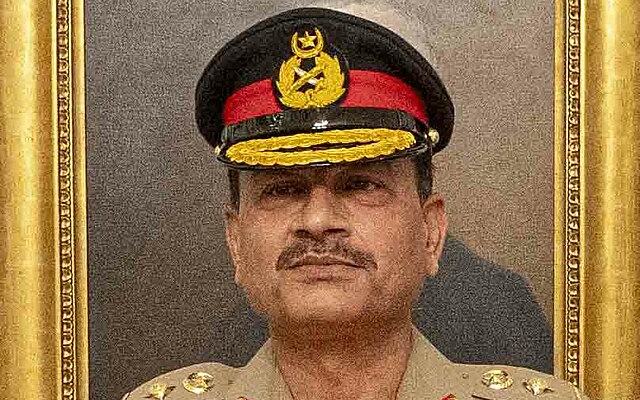
Pakistan's Field Marshal Asim Munir arrived in Tehran on Wednesday evening with a high-level delegation to advance mediation efforts between the United States and Iran. The visit by the Chief of Army Staff and Chief of Defence Forces follows the failure of direct US-Iran talks in Islamabad over the weekend, which lasted 21 hours but yielded no agreement.
Munir, accompanied by Interior Minister Mohsin Naqvi and senior officials from the Foreign Ministry, security agencies, and technical experts, was welcomed by Iranian Foreign Minister Abbas Araghchi. Pakistan's military media wing, Inter-Services Public Relations, confirmed the group reached the Iranian capital as part of ongoing efforts to de-escalate tensions. The delegation met with Araghchi and other officials to discuss arrangements for a second round of negotiations, potentially in Islamabad.
The talks come amid a fragile ceasefire, brokered on April 8 and set to expire on April 22, following nearly seven weeks of conflict that began on February 28 with US and Israeli strikes on Iranian military and government sites. The war has resulted in at least 3,000 deaths in Iran, along with casualties in Lebanon, Israel, Gulf states, and 13 US service members. Tensions persist due to a US naval blockade of Iranian ports, which has turned away nine ships, and Iran's curtailment of traffic through the Strait of Hormuz, driving up global oil prices.
Key sticking points include Iran's nuclear program, where the US seeks a 20-year moratorium on uranium enrichment and Iran has offered a five-year suspension; control of the Strait of Hormuz; and compensation for wartime damages. Iran's Foreign Ministry spokesman Esmaeil Baghaei stated Tehran is open to discussing enrichment levels but must continue based on its needs. US Treasury Secretary Scott Bessent warned of secondary sanctions on entities dealing with Iran to increase economic pressure.
US President Donald Trump expressed optimism, stating the war is "close to over" and praising Munir's role, while White House press secretary Karoline Leavitt said prospects for a deal are good with further talks likely in Islamabad. Pakistani officials hope to secure a ceasefire extension for more diplomacy, with regional sources noting an in-principle agreement on that front.
Pakistan has positioned itself as a key mediator, leveraging ties with both Washington and Tehran, after hosting the historic Islamabad discussions—the highest-level engagement since 1979. Iran thanked Pakistan for its role, emphasizing the need for regional peace.

Comments
No comments yet. Be the first to share your thoughts.