
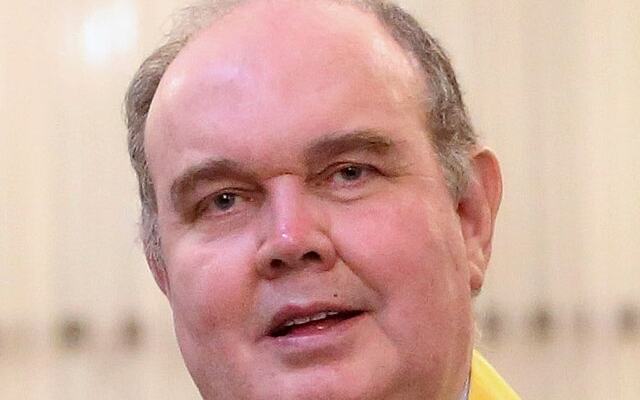
Rafael López Aliaga, a prominent right-wing presidential candidate and former mayor of Lima, escalated tensions in Peru's ongoing election crisis by threatening a "civil insurgency" if authorities do not nullify the results of Sunday's first-round presidential vote.
Speaking to hundreds of supporters outside the National Jury of Elections (JNE) headquarters in Lima on Monday, López Aliaga accused electoral officials of fraud due to severe logistical failures during the April 12 balloting. He gave JNE President Roberto Burneo a 24-hour ultimatum to declare the process void, vowing to "set the prairie on fire" and launch a massive march if ignored. "Civil insurgency, as provided in the Constitution," he declared, urging followers to remain vigilant.
The election, Peru's ninth presidential contest in a decade amid chronic political instability, was marred by chaos. Electoral materials failed to reach dozens of polling stations, particularly in Lima, forcing voting to extend into Monday and disenfranchising thousands. Candidates, including López Aliaga and comedian Carlos Álvarez, quickly raised fraud allegations, though authorities and international observers reported no evidence of manipulation, only dysfunction.
Quick counts showed Keiko Fujimori, leader of the conservative Fuerza Popular party and daughter of former strongman Alberto Fujimori, advancing to a June runoff with a narrow lead. A razor-thin margin separated her from López Aliaga, fueling his protests. Fujimori's backers credit her father with defeating the Shining Path insurgency and stabilizing the economy, despite his later conviction for human rights abuses.
López Aliaga, known for his ultraconservative views, tough-on-crime rhetoric, and admiration for leaders like Donald Trump and Javier Milei, polled strongly among voters frustrated by rising violence and Venezuelan migration. He promised military deployment to the borders and hooded judges reminiscent of Fujimori's era. Critics, including Fuerza Popular's Miguel Torres, condemned his call to insurgency as reckless.
Protests erupted outside electoral offices, with demonstrators demanding a recount or a new vote. Peru's National Office of Electoral Processes (ONPE) attributed delays to transportation issues, while observers acknowledged irregularities but affirmed the process's integrity. With results still trickling in as of Tuesday, the JNE has yet to respond to López Aliaga's deadline, which expires early Wednesday.
The standoff risks deepening Peru's divisions in a nation weary of upheaval, having cycled through eight presidents since 2016. Security forces monitored gatherings amid fears of escalation, as the country braces for potential runoff turmoil.

Comments
No comments yet. Be the first to share your thoughts.