
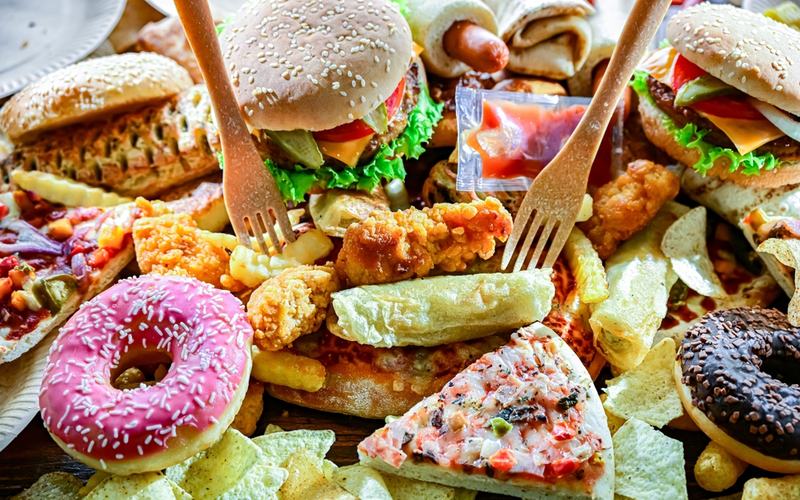
New research from Florida Atlantic University’s Charles E. Schmidt College of Medicine links higher consumption of ultra-processed foods to an increased risk of prostate cancer in men.
The study, published in The American Journal of Medicine, analyzed data from 17,024 U.S. men aged 18 and older who participated in the National Health and Nutrition Examination Survey between 2003 and 2023. Researchers used two 24-hour dietary recalls and the NOVA classification system to assess the proportion of calories from ultra-processed foods and compared those levels to self-reported prostate cancer diagnoses.
Men in the highest category of ultra-processed food consumption showed a 24 percent to 34 percent higher risk of prostate cancer compared with those who ate the least. Senior author Charles H. Hennekens noted that the findings add to evidence of major adverse health effects from these foods and called for further large-scale studies and trials.
Ultra-processed foods, which include items like packaged snacks, sodas, and ready-to-eat meals, have previously been associated with obesity, heart disease, and other conditions. Co-author Timothy De Ver Dye highlighted the public health challenge of reducing consumption due to the prevalence and accessibility of these products, as well as barriers some patients face in accessing healthier options.
The observational study does not prove causation, but it underscores growing concerns about diet quality in relation to cancer risks. Healthcare providers are encouraged to consider these factors when advising patients.

Comments
No comments yet. Be the first to share your thoughts.