
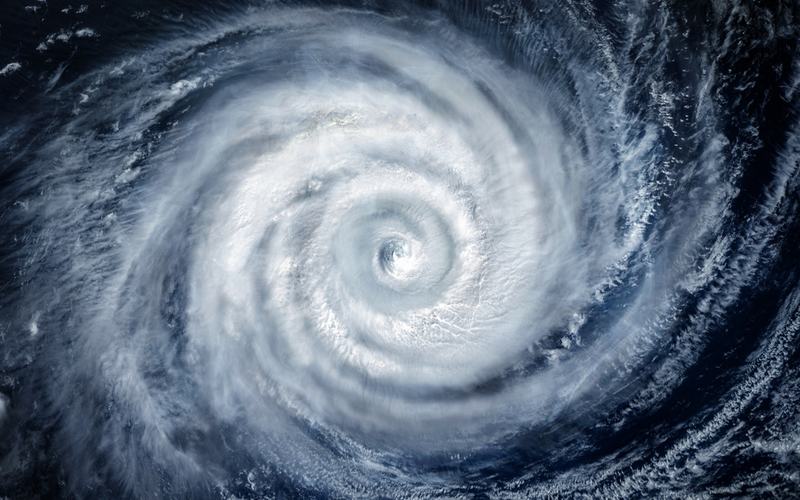
A powerful tropical system, identified as Super Typhoon Sinlaku, battered the Northern Mariana Islands early Wednesday local time, bringing destructive winds, heavy rainfall, and widespread disruption to the U.S. territory in the western Pacific. The storm, classified as a Category 4 equivalent, made its impact felt across Saipan, Tinian, and surrounding islands, where roughly 50,000 residents were bracing for prolonged conditions.
According to the National Weather Service, Sinlaku carried sustained winds of up to 150 miles per hour, making it the strongest storm on Earth so far this year. The system slowed significantly as it approached the islands, intensifying its effects and raising concerns about extended damage from wind and flooding.
Local officials reported dangerous conditions on the ground. Saipan Mayor Ramon “RB” Jose Blas Camacho said emergency crews were struggling to respond due to the severity of the storm, with debris flying through the air and structures collapsing under the pressure. Some residents had already been rescued as conditions worsened overnight.
Meteorologists warned that the storm’s slow movement would prolong exposure to destructive winds and rain, increasing the likelihood of power outages and infrastructure damage. Forecasters indicated that many residents could wake up to significantly altered conditions across the islands.
In addition to the Northern Mariana Islands, Guam, another U.S. territory with a population of about 170,000 and a key hub for American military operations, experienced torrential rainfall and flash flooding. Authorities urged residents to remain indoors and avoid windows as conditions intensified.
The storm had already caused damage in parts of the Federated States of Micronesia before tracking toward U.S. territories. Emergency preparations were underway across the region, including at U.S. military installations in Guam, where personnel were instructed to shelter in place.
President Donald Trump approved emergency disaster declarations for both Guam and the Northern Mariana Islands ahead of the storm’s arrival, allowing federal resources to support response efforts. The Federal Emergency Management Agency deployed nearly 100 personnel and coordinated assistance across multiple agencies.
Super typhoons are among the most powerful storms globally, forming in the northwestern Pacific and comparable to major hurricanes in the Atlantic. Sinlaku’s strength and slow movement have raised concerns about lasting damage, particularly in island communities still recovering from past storms and economic setbacks.

Comments
No comments yet. Be the first to share your thoughts.