
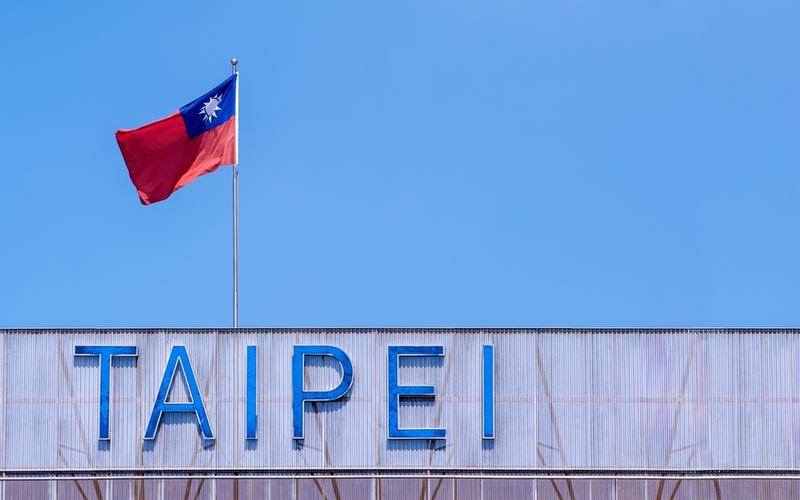
Taiwan's government faces deepening paralysis as opposition parties in the legislature repeatedly blocked President Lai Ching-te's proposed budgets, including a major defense package, heightening concerns over the island's security amid tensions with China.
The crisis traces back to the 2024 elections, where Lai of the Democratic Progressive Party secured the presidency with 40 percent of the vote but failed to retain a legislative majority. The 113-seat Legislative Yuan now holds 52 seats for the Kuomintang, 51 for the DPP, eight for the Taiwan People's Party, and two KMT-leaning independents. No group commands the 57 seats needed to pass legislation or budgets.
At the center of the standoff is a special eight-year defense budget of 1.25 trillion New Taiwan dollars, equivalent to about $40 billion, aimed at procuring 200,000 unmanned systems and bolstering asymmetric capabilities against a potential Chinese invasion. The KMT-TPP coalition rejected it ten times since late November 2025, proposing smaller alternatives: 380 billion NTD from the KMT tied to U.S. arms deliveries through 2028, and 400 billion NTD from the TPP with spending restrictions. Premier Cho Jung-tai responded by withholding countersignatures on related bills and requesting reconsiderations eight times, while inviting no-confidence votes that the opposition declined.
The conflict extends beyond budgets. Legislative reforms expanded opposition oversight and curbed executive powers, prompting DPP backlash. The Constitutional Court remains effectively paralyzed after seven justices resigned in October 2024, opposition rejections of nominees, and quorum disputes resolved only in December 2025—yet appointments are still stalled.
Adding to the tensions, Kuomintang chair Cheng Li-wun visited Beijing from April 7 to 12, meeting President Xi Jinping on April 10 in the first such CCP-KMT leader talks in nearly a decade. Xi called Taiwan an inalienable part of China, a stance Cheng echoed. On April 12, China announced the resumption of suspended ties, including direct flights to cities like Xi’an and Urumqi, imports of Taiwanese grouper, squid, and tuna banned since 2021, and exploration of a bridge to Taiwan's outlying Matsu and Kinmen islands.
Taiwan's Mainland Affairs Council labeled the moves a political transaction bypassing the elected government, insisting cross-strait issues require equal negotiations. A U.S. delegation met Lai and the defense minister last week to press for budget passage as deadlines loom.
Analysts warn that the gridlock erodes public trust, delays critical defense procurements, and undermines confidence in Taiwan's resolve among allies like the United States. It risks short-term planning cycles for the military and provides Beijing an opening to exploit divisions through selective engagement with the opposition. Polls show younger voters shifting, with support for independence dropping from 52 percent in late 2024 to 44 percent by October 2025, and greater acceptance of one-China concepts.
As of April 14, the standoff persists, with budget deadlines approaching and cross-strait dynamics shifting.

Comments
No comments yet. Be the first to share your thoughts.