
The U.S. Air Force executed a large-scale airlift operation to the Middle East on Friday, with open-source flight tracking data showing dozens of C-17 Globemaster III cargo planes, KC-135 Stratotankers, and other support aircraft crossing the Atlantic toward bases in Europe and the region. This surge continues a pattern of intensified logistical support that began earlier in April and builds on the massive deployments since late January.
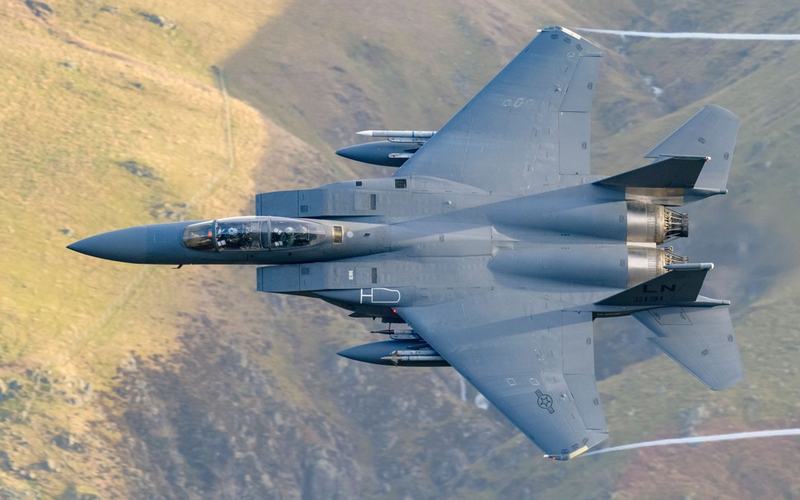
Flight tracking from April 3 to 4 revealed 37 aircraft involved, including 20 C-17s, two C-5M Super Galaxys, two C-130T Hercules, nine KC-135s, one KC-46A Pegasus, one HC-130J Combat King II, and two P-8A Poseidons. These planes landed at sites like Ramstein Air Base in Germany and other European hubs before proceeding to Middle East destinations such as Al Udeid Air Base in Qatar and bases in Jordan and Israel. The airlift supports resupply efforts for munitions, air defense systems, spare parts, and personnel amid recent losses, including a downed F-15E Strike Eagle and an A-10 in Iranian territory.
This operation aligns with the broader U.S. military buildup in the Middle East, the largest since the 2003 Iraq invasion, triggered by Iran's nuclear advancements, crackdowns on protests, and escalating threats. Since late January, the Air Force has flown at least 42 heavy transports into the region by January 26, followed by waves of fighters like F-22 Raptors to Ovda Airbase in Israel, F-15E Strike Eagles to Jordan's Muwaffaq Salti Air Base, and multiple F-35 squadrons.
The buildup preceded the start of the 2026 Iran war on February 28, when U.S. and Israeli forces conducted joint strikes on Iran under Operation Epic Fury. Naval assets include the USS Abraham Lincoln in the Arabian Sea since January 26 and the USS Gerald R. Ford off Israel's coast from late February, supported by over a dozen tankers at Ben Gurion Airport.
U.S. Central Command has not commented on the latest airlift, but the movements coincide with President Trump's April 6 deadline for Iran to agree to terms amid failed ceasefire talks and recent combat losses. Earlier surges in February involved C-17 shuttles between Gulf bases, Souda Bay, Sofia, and Ramstein to sustain fighter operations.
The airlift underscores U.S. commitment to bolstering forces in CENTCOM's area as Iranian actions, including naval seizures and drills in the Strait of Hormuz, prompted defensive postures. Analysts note the scale rivals operations like Desert Storm, enabling sustained air superiority and logistics in the protracted conflict.

Comments
No comments yet. Be the first to share your thoughts.