
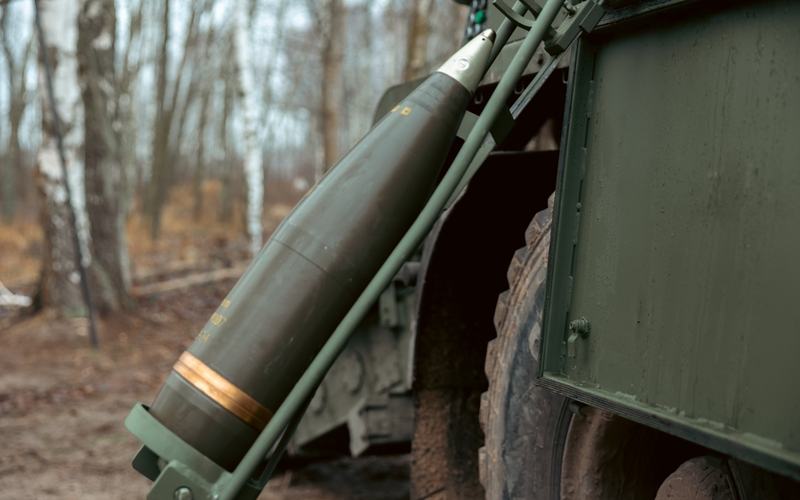
U.S. officials informed several European countries this week that deliveries of previously contracted weapons are likely to be delayed as the war against Iran continues to strain American munitions stockpiles. The notifications, conveyed in bilateral messages, primarily affect nations in the Baltic region and Scandinavia, according to five sources familiar with the discussions.
The affected weaponry includes ammunition suitable for both offensive and defensive operations, much of it procured through the U.S. Foreign Military Sales program. U.S. officials cited the urgent need to replenish supplies for the Middle East campaign, where Iran has launched hundreds of ballistic missiles and drones at U.S. forces and Gulf allies. Most of these have been intercepted using systems like the PAC-3 Patriot missile, accelerating the drawdown of stocks already thinned by aid to Ukraine since 2022 and Israel's operations in Gaza.
European officials expressed concern that the postponements undermine their defense readiness at a time of heightened Russian threats along NATO's eastern flank. One diplomat noted the delays place allies in a difficult position, prompting some capitals to consider accelerating purchases of European-made systems. Frustration has mounted as President Donald Trump has urged NATO partners to buy more U.S. equipment to shoulder greater responsibility for continental defense.
The notifications come amid broader transatlantic tensions over the Iran conflict, which erupted on February 28 when the U.S. and Israel launched airstrikes targeting Iranian nuclear sites, military installations, and leadership, including Supreme Leader Ali Khamenei. Iran retaliated by closing the Strait of Hormuz, firing missiles at U.S. bases and Gulf states, and supporting proxy attacks via Hezbollah and the Houthis. A fragile ceasefire took hold in early April, but recent talks in Islamabad collapsed, prompting the U.S. to impose a naval blockade of Iranian ports on April 13 to force the reopening of the vital oil chokepoint.
U.S. officials also faulted European nations for declining to assist in reopening the strait, despite NATO allies like Britain and France providing limited support, such as missile interceptions and base access,s earlier in the war. Countries including France, Italy, and Spain had denied U.S. requests for airspace or basing during initial operations. NATO members have prioritized defensive measures over offensive involvement, proposing diplomatic alternatives to the blockade.
This is not the first such warning. In late March, U.S. officials alerted allies, including Ukraine, of potential disruptions to air defense shipments like Patriots, as the Pentagon redirected interceptors to counter Iranian barrages. Poland's defense minister anticipated delays, while Switzerland suspended payments on a $2.2 billion Patriot deal, citing delivery setbacks.
The Pentagon, White House, and State Department did not immediately respond to requests for comment on the European notifications. As the Iran war enters its third month, with U.S. costs estimated in tens of billions and casualties including 15 American service members killed, the prioritization underscores the challenge of sustaining multiple global commitments. European leaders now face tough choices between waiting on U.S. supplies or investing in homegrown alternatives to bolster deterrence against Russia.

Comments
No comments yet. Be the first to share your thoughts.