
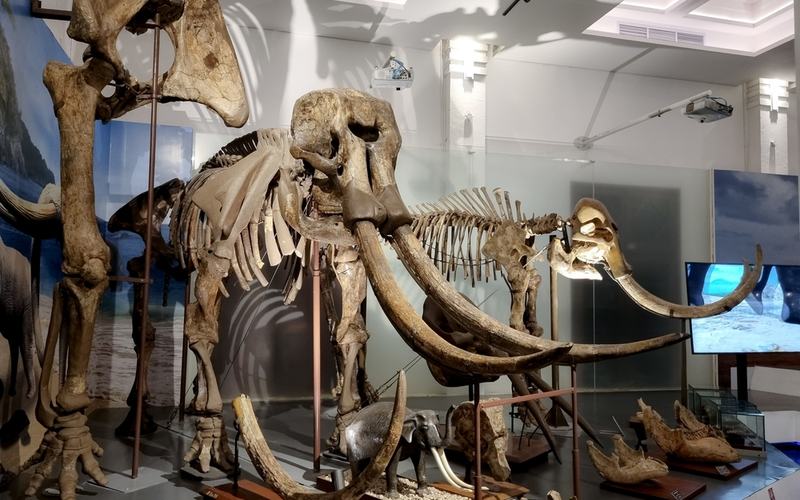
Scientists working to recreate a woolly mammoth-like animal are using artificial intelligence and gene-editing technology to overcome biological obstacles, but the first calf is now not expected until the early 2030s.
The effort to bring back an animal resembling the woolly mammoth has been underway for years, with researchers combining genetic engineering, reproductive science and increasingly sophisticated artificial intelligence tools.
The project was initially targeting 2028 for the birth of the first mammoth-like calf. That timeline has now been pushed back into the early 2030s as researchers work through the challenges involved in producing a viable animal.
Rather than attempting to recreate an extinct mammoth from scratch, scientists are working to modify the genome of its closest living relative, the Asian elephant.
Researchers can compare preserved mammoth DNA with the genomes of modern elephants to identify genetic differences associated with traits such as thick hair, cold tolerance, body fat, and other adaptations that allowed mammoths to survive in frigid environments.
AI is increasingly being used to help analyze those enormous quantities of genetic information. Scientists can use computational tools to identify potentially important genetic changes and determine which edits could be relevant to recreating mammoth-like characteristics.
Gene-editing technology then provides a way to make selected changes to elephant cells. The ultimate goal is to create an embryo carrying enough mammoth-associated traits to develop into an animal capable of surviving in a cold environment.
The project has attracted significant attention because of the possibility of using biotechnology to reverse some of the effects of extinction. Researchers have also argued that studying mammoth genetics could provide new information about elephants and their ability to adapt to changing environments.
There are substantial scientific hurdles remaining, however. Producing genetically modified cells is only one part of the process. Researchers must also determine how to create a viable embryo, bring it to term, and ensure that the resulting animal develops normally.
The revised timeline into the early 2030s reflects those challenges. A mammoth-like calf would represent a major milestone, but it would not be a genetically identical resurrection of the original woolly mammoth.
Instead, the animal would be an elephant engineered to possess selected characteristics associated with its extinct relative, combining modern elephant biology with genetic traits recovered from mammoth DNA.

Comments
No comments yet. Be the first to share your thoughts.