
Americans are increasingly purchasing emergency supplies amid a series of technology disruptions affecting critical services across the country, according to retail industry analysts tracking recent consumer spending.
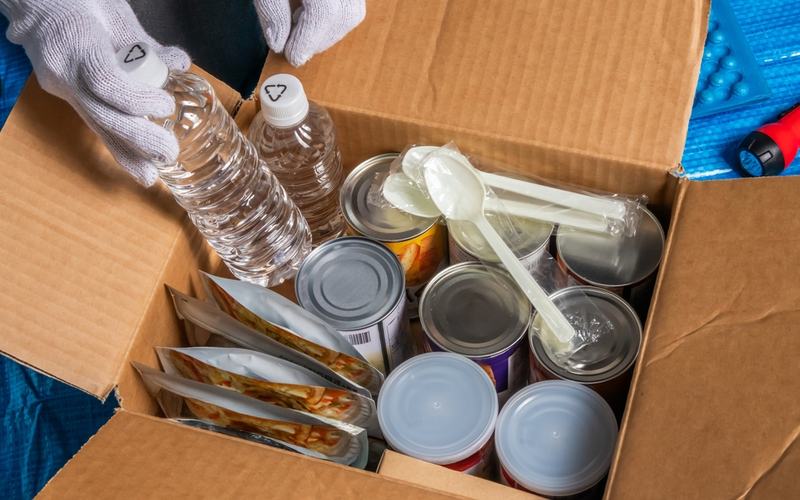
Walmart reported higher sales of products including soup, bottled water and ready-to-eat foods during its third-quarter earnings report Thursday. Steven Shemesh, a retail analyst with RBC Capital Markets, told CBS News that the company had seen signs of increased preparedness among shoppers.
"We've seen some evidence of it happening across the consumer retail space. Right now, on the margins, people are preparing more than they have in the past," Shemesh said. "People want to be comfortable knowing that if we did have an outage for a couple of days, they'd have food in the house."
The increase is not limited to Walmart. Costco has also reportedly benefited from stronger demand for emergency supplies, while Tractor Supply has experienced increased sales of generators, liquid storage tanks and propane equipment.
Market research data from Circana shows that several emergency-preparedness products recorded substantial sales increases during the four weeks ending Nov. 1. According to figures cited by RBC Capital Markets, purchases of water germicidal tablets surged 154% compared with the same period last year. Disinfecting wipes increased 72%, while moist towelettes rose 20%.
The buying trend has developed alongside a series of disruptions involving major technology and infrastructure providers. Microsoft experienced outages affecting its services, the Federal Aviation Administration grounded flights nationwide following problems involving air traffic control systems, and JPMorgan Chase customers encountered banking disruptions caused by a technical issue.
The incidents have raised questions about the reliability of systems Americans depend on for transportation, financial services and everyday communication. Although the disruptions have occurred across different organizations, they have fueled public concern about how quickly daily life could be affected by a prolonged outage.
Social media posts encouraging households to prepare for potential disruptions have also circulated as the outages received national attention. Some messages urged Americans to purchase food, water and other necessities in case essential services become unavailable.
Consumer preparedness experts have generally advised households to maintain several days of essential supplies rather than making excessive purchases. One consumer expert who spoke with NBC News recommended keeping enough necessities on hand for approximately three to seven days.
The increased demand comes as the National Security Agency has also reportedly experienced multiple days of disruptions to its classified internal communications systems, adding to concerns about the resilience of critical technology infrastructure.

Comments
No comments yet. Be the first to share your thoughts.