
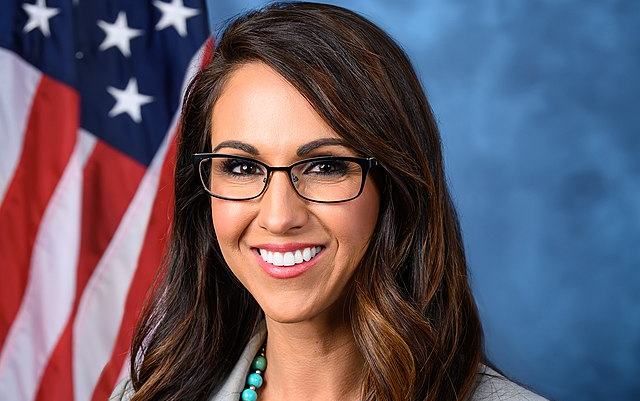
Representatives Alexandria Ocasio-Cortez and Lauren Boebert, political opposites known for clashing publicly, aligned Friday in calls for stronger measures against sexual misconduct in Congress.
Their statements came days after Democratic Rep. Eric Swalwell of California and Republican Rep. Tony Gonzales of Texas resigned amid allegations of abusing staff members. Swalwell faced accusations from multiple women, including claims of sexual assault, sending explicit photos via Snapchat, and inappropriate advances dating back to 2019. He denied the most serious charges but stepped down Tuesday under threat of expulsion. Gonzales admitted to an extramarital affair with a staffer in 2024; the woman later died by suicide. Both resignations followed bipartisan resolutions to force expulsion votes.
Ocasio-Cortez described the departures as "an important turning point" for the institution. "The abuse of power should never be accepted, and above all, in public office," she said. "I think this is an important resetting point for the institution. But I don’t think our work is done." She also called for Republican Rep. Cory Mills of Florida to resign, citing his ongoing House Ethics Committee investigation into sexual misconduct and other issues.
Boebert, who has criticized Congress's handling of such cases, urged victims to come forward. "If your boss is mistreating you, or someone else in the office, tell somebody – come to my office," she said in a video. "If you want to remain anonymous, remain anonymous. Let one of us loudmouths get it out there for you." She also pushed to strip Swalwell and Gonzales of their federal pensions and quipped to reporters about why politicians seemed "so horny."
The push reflects a rare cross-party momentum. Republican women, including Boebert, Rep. Nancy Mace of South Carolina, and Rep. Anna Paulina Luna of Florid, have led demands for transparency, including releasing ethics records and subpoenaing hidden settlements. Democrats like Rep. Teresa Leger Fernandez of New Mexico co-sponsored expulsion resolutions and vowed to hold abusers accountable.
Former Rep. Jackie Speier, who drove post-#MeToo changes in 2018, praised the resignations but said Congress still "looks the other way." Those reforms banned nondisclosure agreements, required training, and mandated that lawmakers pay settlements personally. Yet eight payments totaling over $400,000 have occurred since for workplace violations.
In March, the House rejected a resolution by Mace to publicly release sexual misconduct records, with 357 votes against, including Ocasio-Cortez but not Boebert. Lawmakers now eye further scrutiny of Mills and Rep. Sheila Cherfilus-McCormick over separate ethics probes.
House Speaker Mike Johnson called the resignations "the right thing for the institution." The bipartisan pressure highlights ongoing challenges in policing member-staff relationships under House rules.

Comments
No comments yet. Be the first to share your thoughts.