
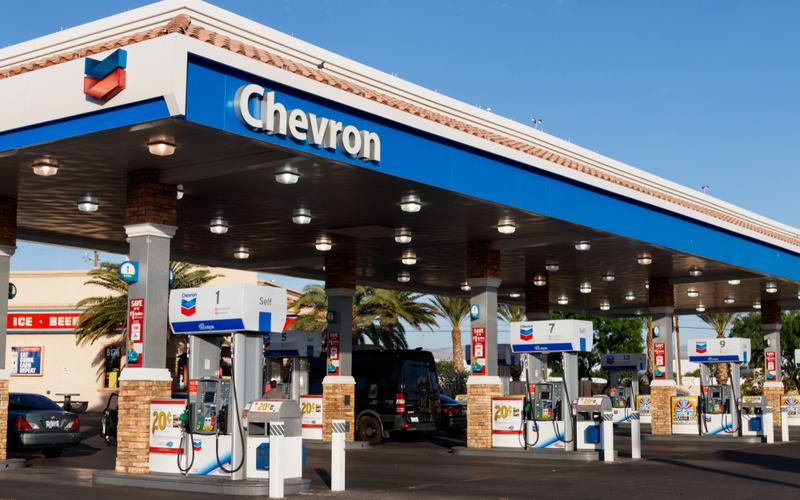
The Supreme Court handed a victory to Chevron and other oil companies on Friday, ruling 8-0 that they can defend against Louisiana coastal damage lawsuits in federal court.
Justice Clarence Thomas wrote the majority opinion in Chevron USA Inc. v. Plaquemines Parish, holding that the companies' crude oil production during World War II "relates to" their federal duties under the federal officer removal statute, 28 U.S.C. §1442(a)(1). Justice Ketanji Brown Jackson concurred in the judgment but wrote separately on the legal standard. Justice Samuel Alito did not participate.
The case stems from 42 lawsuits filed in 2013 by Louisiana parishes, including Plaquemines and Cameron, accusing Chevron, ExxonMobil, and others of violating the state's 1978 State and Local Coastal Resources Management Act. The parishes alleged the companies conducted oil and gas operations without required permits, causing wetland erosion and damage to the state's coastline, one of the fastest-disappearing landmasses in the U.S.
In the Plaquemines Parish case, a state jury in April 2025 ordered Chevron to pay $744.6 million for restoration costs. Chevron removed the suit to federal court, arguing its WWII-era production on parish land supplied crude oil for refining aviation gasoline under government contracts overseen by the Petroleum Administration for War. Lower courts remanded the case to the state court, but the Supreme Court reversed the Fifth Circuit.
Thomas explained that "relating to" requires a "connection that is not 'tenuous, remote, or peripheral,'" and Chevron plausibly alleged its production methods maximized output for military needs, directly supporting its federal refining obligations. The opinion rejected Louisiana's arguments that the government contract needed to specify oil acquisition or that allocation severed the link.
The ruling applies to the remaining suits, which seek billions in damages for coastal restoration amid Louisiana's ongoing land loss crisis, exacerbated by oil industry canals and pits. Energy companies argued federal court offers a neutral forum free from local biases; parishes contended that the WWII connection is too remote after 80 years.
Legal experts noted the decision broadens removal options for federal contractors facing state environmental claims, potentially delaying litigation and favoring defendants in federal venues. Chevron hailed the outcome as upholding federal jurisdiction for acts tied to national defense efforts.
This procedural win follows oral arguments in January and comes amid similar coastal suits nationwide, highlighting tensions between energy production and environmental restoration.

Comments
No comments yet. Be the first to share your thoughts.