
An Arizona appeals court ruled that an AI recreation of a slain man used at his killer’s sentencing crossed the line into unreliable evidence, ordering a new sentencing hearing while leaving the manslaughter conviction intact.
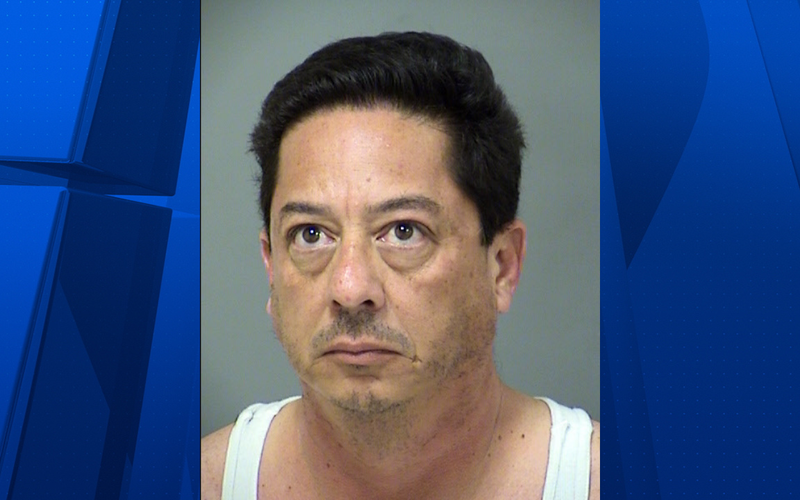
The Arizona Court of Appeals vacated the 10.5-year prison sentence of Gabriel Horcasitas after determining that an AI-generated video portraying his deceased victim created a fundamentally unfair sentencing proceeding. Horcasitas was convicted of manslaughter and endangerment in the 2021 shooting death of Christopher Pelkey during a road-rage confrontation in Chandler. He was sentenced in Maricopa County Superior Court after a second conviction in 2025.
During the sentencing hearing, Pelkey’s family presented a video that used artificial intelligence to recreate his appearance and voice. The AI version of Pelkey appeared to address Horcasitas directly, discussing his life, forgiveness, and what he might have looked like had he lived to old age. Pelkey’s sister, Stacey Wales, wrote the script. The video also incorporated real footage of Pelkey and an altered photograph depicting him as an older man.
Superior Court Judge Todd Lang reacted positively to the presentation, calling it “genuine” and saying it allowed Pelkey to speak from his heart. Horcasitas was then sentenced to more than 10 years, a term that exceeded the prosecution’s recommendation.
The appeals court concluded that the AI-generated portions were fundamentally different from traditional victim-impact evidence because they depicted thoughts and statements that Pelkey never actually expressed. “By contrast, the AI video crossed that line,” the court wrote, distinguishing it from photographs previously allowed in Arizona sentencing proceedings. The judges determined the video was “not reliable” and amounted to a “fundamental error” that prejudiced the sentencing judge.
The ruling did not overturn the manslaughter conviction. Horcasitas’ case had already gone through two trials after a 2023 conviction was vacated because of a prosecution evidence-disclosure failure. The appeals court noted that Arizona courts had not previously addressed whether an AI-generated depiction of a deceased victim could be used as a victim-impact statement. Horcasitas will now face a new sentencing hearing, though a date has not yet been scheduled.

Comments
No comments yet. Be the first to share your thoughts.