
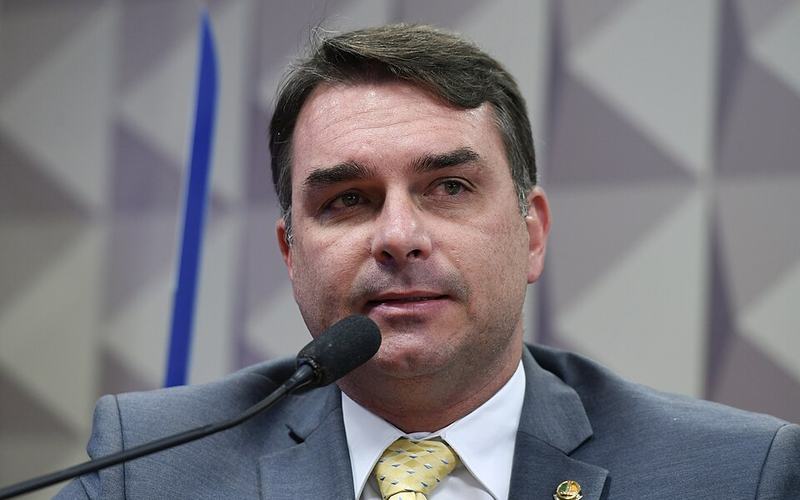
Brazil is headed for a presidential runoff between conservative Sen. Flávio Bolsonaro and left-wing President Luiz Inácio Lula da Silva after Bolsonaro finished ahead in Sunday’s first round but fell short of the majority needed to win outright.
With nearly all votes counted, Bolsonaro had roughly 47% compared with about 45% for Lula, setting up a second-round contest on Oct. 25. Bolsonaro’s performance exceeded many expectations heading into the election and put the son of former President Jair Bolsonaro in position to potentially return Brazil’s largest economy to conservative leadership.
The result also carries significance beyond Brazil. Flávio Bolsonaro is an ally of President Donald Trump and has campaigned on strengthening relations with the United States, while the election comes amid a broader shift toward right-wing and conservative governments across Latin America. Argentina, Chile, Ecuador, Bolivia, Peru and Colombia have all moved toward the right in recent elections, making Brazil one of the region’s biggest remaining tests for the political left.
For the Bolsonaro family, the result represents a remarkable political comeback after Jair Bolsonaro narrowly lost the 2022 election to Lula. The former president was later convicted and imprisoned over an effort to overturn the election result, leaving him barred from seeking the presidency and prompting him to back his son as his political successor. Flávio has also pledged to pursue an amnesty or pardon for his father if elected.
The younger Bolsonaro has largely embraced his father’s political legacy while making crime and economic concerns central to his campaign. His platform includes tougher measures against organized crime, spending reductions and efforts to strengthen Brazil’s economy and relationship with the United States.
The contest now becomes a direct choice between Bolsonaro’s conservative movement and Lula’s left-wing government. Neither candidate can claim victory yet, but Bolsonaro enters the runoff having demonstrated that the Bolsonaro name remains a powerful force in Brazilian politics.
The Oct. 25 vote will determine whether Brazil joins the growing list of Latin American countries that have shifted toward the political right in recent years, or whether Lula will secure another term and keep Brazil aligned with the region’s remaining left-leaning governments.

Comments
No comments yet. Be the first to share your thoughts.