
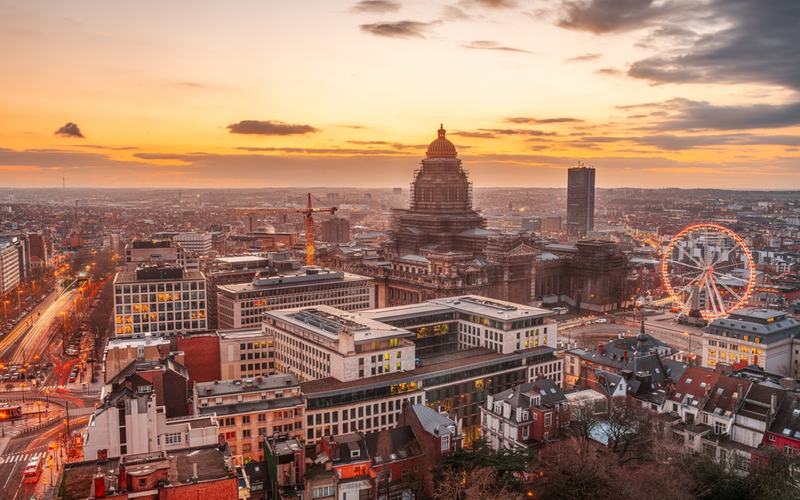
Clashes broke out in Brussels on Friday as a national strike against planned government austerity measures drew tens of thousands of participants. While the main demonstration organized by Belgium's largest unions remained largely peaceful, small groups of masked youths engaged in violence near the central railway station and other areas.
Police reported that around 30,000 people joined the march, though organizers claimed closer to 50,000. The event was part of a broader day of strikes called by the socialist FGTB/ABVV and Christian CSC/ACV unions in opposition to budget-tightening proposals. Those measures aim to address Belgium's substantial public debt and persistent budget deficit.
A centre-right government led by Prime Minister Bart De Wever has targeted savings of about 10 billion euros by 2029. Union leaders argued the cuts would disproportionately affect workers, pensioners, and low-income households through impacts on purchasing power, wage indexation, and value-added tax.
Violence involved dozens of black-clad, masked individuals who threw rocks, bottles, bricks, and fireworks at officers. They also set fires to buses, rental bikes, and electric scooters. Authorities stated these agitators were unaffiliated with the official protest. Riot police responded with tear gas, water cannons, and baton charges to restore order.
Arrests exceeded 100 by Friday evening, with earlier reports citing 21 detentions including 13 minors. The unrest disrupted traffic, public transport, and led to the cancellation of over 100 flights at Brussels Airport. Similar tensions had surfaced earlier in the week in Liege.
Union officials, including FGTB/ABVV president Bert Engelaar, publicly urged troublemakers to stay away and emphasized that the violence did not represent the demonstration's message. The incidents highlight ongoing debates over fiscal responsibility in a country facing economic pressures shared with neighbors like France and Italy.

Comments
No comments yet. Be the first to share your thoughts.