
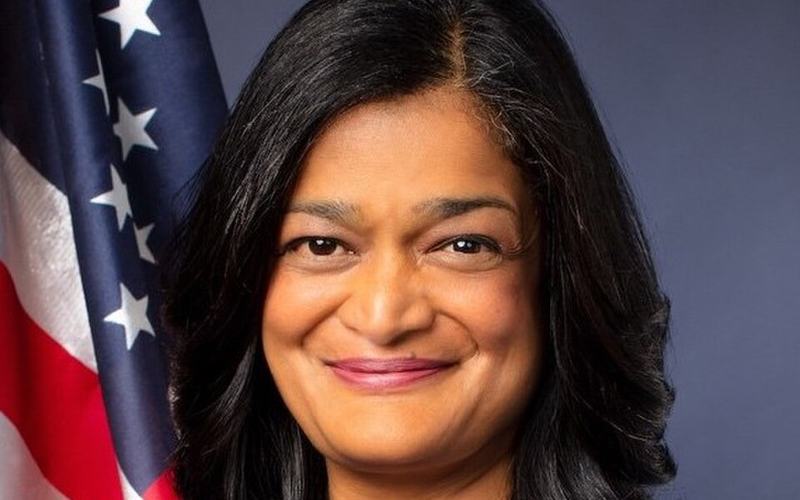
Rep. Pramila Jayapal, D-Wash., disclosed conversations with foreign ambassadors, including from Mexico, to facilitate oil deliveries to Cuba amid an ongoing U.S. sanctions regime, prompting accusations of violating the Logan Act.
Jayapal made the remarks on Wednesday during a briefing in Seattle on Cuba's humanitarian situation, following her April trip to the island nation as part of a congressional delegation with Rep. Jonathan Jackson, D-Ill. She stated, "I was in conversations with the ambassadors from Mexico and some other places … trying to figure out how to get oil there," describing Cuba's fuel shortages as "a crisis beyond imagination."
The discussions come as the Trump administration enforces strict sanctions on Cuba, including a January executive order imposing tariffs on nations supplying fuel to the communist government. Oil from Venezuela halted after U.S. operations captured Nicolás Maduro, and Mexico suspended its shipments, leaving Cuba reliant on limited Russian tankers. Jayapal criticized the measures as "economic bombing of the infrastructure," claiming they violate international law by collapsing Cuba's systems.
During her April 1-6 visit, Jayapal met Cuban President Miguel Díaz-Canel, officials, dissidents, and diplomats. She has advocated lifting the U.S. embargo, removing Cuba from the state sponsor of terrorism list, and blocking potential military actions against Havana. The congresswoman acknowledged Cuban government shortcomings on political prisoners and dissent, but called U.S. fuel restrictions "cruel collective punishment."
Conservative critics swiftly condemned her actions. Accounts on X labeled the outreach "treason" and a "textbook" Logan Act violation, with calls for prosecution and expulsion from Congress. Rep. Nicole Malliotakis, R-N.Y., daughter of a Cuban immigrant, deemed the trip "unconscionable" and Jayapal a "communist sympathizer."
The Logan Act of 1799 prohibits unauthorized U.S. citizens from negotiating with foreign governments in disputes with America. Former prosecutor Andrew McCarthy noted it has produced no convictions and only two indictments, the last over 170 years ago, suggesting political rather than criminal remedies. Legal exposure would require proof of aiding sanctions violations.
Jayapal defended herself on X: "Members of Congress meet with ambassadors of other countries every day. That’s literally our right and responsibility." Her office, the White House, and the State Department did not immediately respond to inquiries.
Cuba's ties to Iran and groups like Hezbollah underpin U.S. concerns, amid political repression and a migration surge of hundreds of thousands to America. The controversy highlights partisan divides over America’s Cuba policy.

Comments
No comments yet. Be the first to share your thoughts.