
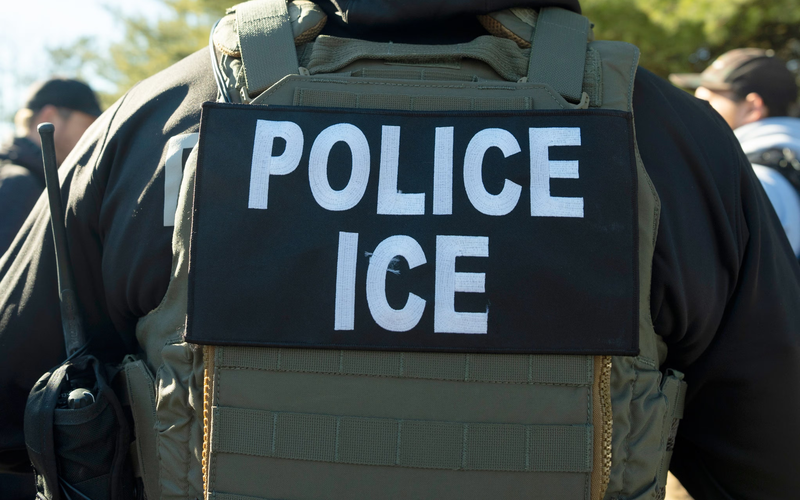
The Trump administration has ended its fast-track training program for new Immigration and Customs Enforcement recruits, two administration officials and a person close to the agency confirmed.
The Department of Homeland Security plans to overhaul the training regimen, restoring elements shortened during a rush to deploy thousands of additional agents for immigration enforcement. Veteran officers will receive certification to provide supplemental instruction to those who completed the abbreviated course, the officials said. The updated curriculum remains under development and subject to revision.
The accelerated program emerged last year as ICE hired thousands of new deportation officers, funded by a major Republican-led spending package. Recruits previously underwent 72 days of basic training at the Federal Law Enforcement Training Center, totaling around 584 hours. Under the fast-track approach, training lasted six to eight weeks, prompting bipartisan scrutiny on Capitol Hill.
DHS has maintained that no core training requirements were eliminated, emphasizing 56 days at the academy plus an average of 28 days of on-the-job training under an intensified schedule of six 12-hour days per week. Acting ICE Director Todd Lyons testified in February that the essential content remained intact. However, whistleblowers and Democrats cited internal documents showing reductions in hours for use-of-force, firearms, and other critical areas, with graduation rates dropping from about 80% to 60%.
Former ICE instructor Ryan Schwank, who resigned earlier this year, described the program as "deficient, defective, and broken" during a February hearing led by Sen. Richard Blumenthal and Rep. Robert Garcia. Concerns intensified after incidents including a fatal shooting by an ICE officer in Minneapolis in January, which renewed focus on preparation levels.
The decision follows discussions between Lyons, border czar Tom Homan, and lawmakers amid funding battles that triggered a 76-day DHS shutdown, resolved last week. Rather than codify changes in law, the administration opted for an informal commitment to extend training by about 30 days for recent hires. One official noted, "We’re actually doing something good here. ICE is actually taking this very seriously, and it’s not just lip service."
DHS also intends to strengthen protocols for ICE's Enforcement and Removal Operations division, stationing certified trainers at field offices to ensure uniform standards nationwide. A DHS spokesperson highlighted ongoing mentorship: "New hires take what they learn at FLETC and apply it to real-life scenarios while on duty, preserving ICE’s reputation as one of the most elite law enforcement agencies."
This shift aligns with broader recalibrations at DHS, including leadership changes after former Secretary Kristi Noem's departure and a tempered public message on immigration amid sagging approval ratings for Trump's enforcement policies. By early 2026, over 900 agents had graduated from the shortened program, contributing to ICE's historic manpower increase of more than 12,000 officers since the recruitment push began.

Comments
No comments yet. Be the first to share your thoughts.