
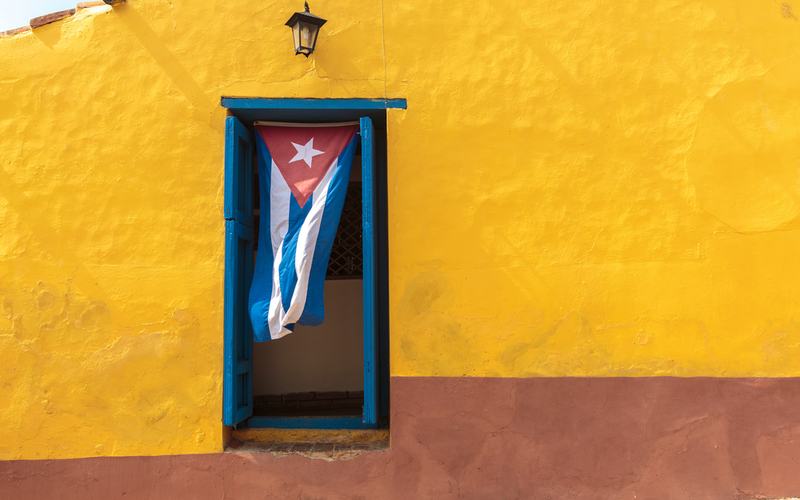
Cuba says it remains in contact with the Trump administration but that no formal negotiations are taking place, despite President Donald Trump’s recent claim that Secretary of State Marco Rubio is deeply involved in talks with Havana.
Lianys Torres Rivera, Cuba’s chargé d’affaires in Washington, told Reuters Monday that the two governments have maintained communication through meetings, phone calls and WhatsApp messages but have not developed a negotiating agenda or resumed official talks.
“What we have with the U.S. is channels of communication,” Torres Rivera said, while declining to provide details about the timing, participants or subjects of the contacts.
The Cuban diplomat said Havana remains willing to engage in what she described as “respectful” dialogue, but she also accused the Trump administration of threatening Cuba and said the island has increased preparations for a possible U.S. military action.
Her description differs from Trump’s account of the relationship. During a September address to the United Nations, Trump said Rubio was “deep into negotiations” with Cuba. The president has also called Cuba a “failed state” and said its government could fall. The Cuban delegation walked out during Trump’s speech.
The State Department disputed Havana’s characterization, saying talks are ongoing and accusing the Cuban government of refusing to agree to measures that would benefit the Cuban people while protecting its political control.
The Trump administration has sharply increased pressure on Cuba, including an oil blockade that has contributed to severe fuel shortages and worsening blackouts on an already strained electrical grid. Washington also tightened restrictions last week on travel to Cuba by Americans and access to U.S. banking services for the island’s private sector.
Cuba has responded with economic reforms aimed at expanding private enterprise. The changes announced in June would represent the island’s most significant shift toward a market-based economy since Fidel Castro took power in 1959, although the Trump administration has said the reforms do not go far enough and has called for free and fair elections.
Torres Rivera said Cuba’s political system remains a “red line” and that Havana will not negotiate changes to its government. She rejected U.S. claims that Cuba poses a national security threat or is interfering in American affairs.
Trump, however, has signaled that he still expects diplomacy to produce an agreement. In late September, he said the United States and Cuba would “make a deal” and that he did not believe military action would be necessary.
For now, the two governments appear to agree that communication remains open, but they sharply differ over whether those contacts amount to negotiations and what any eventual agreement would require.

Comments
No comments yet. Be the first to share your thoughts.