
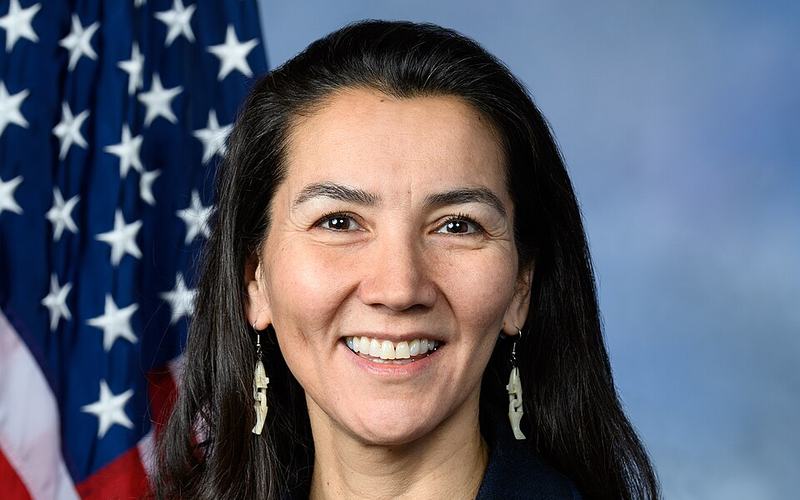
Democratic operatives aligned with Mary Peltola, the party’s 2026 U.S. Senate nominee in Alaska, worked to recruit candidates who could draw votes away from Republican Sen. Dan Sullivan, according to a New York Times investigation published Wednesday. The effort included recruiting a retired teacher named Dan J. Sullivan, whose name matches the incumbent senator’s, potentially creating confusion among voters.
The race has become increasingly competitive, with recent polling showing Peltola and Sullivan separated by only a few percentage points. An October polling average placed Peltola narrowly ahead, while other surveys showed the candidates virtually tied. The contest could have significant national consequences as Democrats seek to gain the four seats needed to take control of the Senate.
The effort reportedly began in the summer of 2025, when a staffer working with Peltola received instructions from senior campaign aides to identify as many Alaskans named Dan Sullivan as possible. The investigation found that the broader recruitment effort sought to encourage multiple candidates to enter the race and divide support for the Republican incumbent.
In the spring of 2026, Dan J. Sullivan, a retired teacher from a small fishing village along Alaska’s Panhandle that is accessible only by air and sea, announced his candidacy for the Senate. His shared name with the sitting Republican senator raised questions about whether voters could mistake one candidate for the other.
Peltola’s campaign has repeatedly denied involvement in recruiting the second Sullivan. However, The New York Times said interviews, text messages and documents prepared for a potential lawsuit indicated that people working to recruit Sullivan had connections to individuals involved with Peltola’s political operation.
According to the investigation, the effort extended beyond the namesake candidate. Operatives also sought to encourage other potential challengers to enter the contest, with the objective of reducing the incumbent’s share of the vote and improving Peltola’s chances of winning.
The strategy, if successful, could benefit Democrats in a closely contested Senate race by splitting Republican support among multiple candidates. Alaska uses ranked-choice voting in its general elections, adding another dimension to the contest and the potential impact of votes cast for candidates with similar names.
The controversy has prompted action from President Donald Trump’s administration. This week, the U.S. Department of Justice filed a lawsuit seeking to prevent Alaska from certifying the Senate election if Republican Sen. Dan Sullivan loses under circumstances in which votes cast for Dan J. Sullivan could have changed the outcome. Trump publicly acknowledged directing the department to pursue the legal action.
The lawsuit argues that the presence of two candidates with nearly identical names could confuse voters and affect the election result. Alaska officials are challenging the federal government's legal basis for intervening, arguing that the state’s ballot distinguishes the candidates by listing the incumbent as a registered Republican and identifying the challenger as Daniel J. Sullivan Jr. without a party affiliation. The Alaska Supreme Court previously ruled that the challenger could remain on the ballot.
Sen. Dan Sullivan, a Republican, is seeking to retain his seat against Peltola, a former Democratic congresswoman, and the second Sullivan. With polling indicating a narrow contest, the outcome could influence which party controls the Senate and shape the final two years of Trump’s current term.

Comments
No comments yet. Be the first to share your thoughts.