
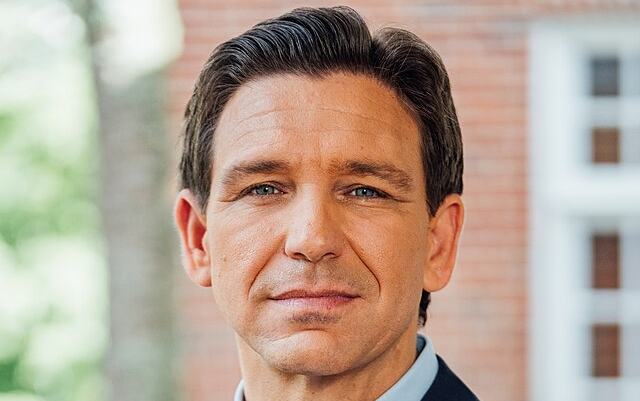
Florida Governor Ron DeSantis has renewed his call to eliminate property taxes on primary residences as the state prepares for a special legislative session next week. DeSantis, who has championed the issue for over a year, argues that homeowners should not pay "rent to the government" on properties they own outright.
The regular 2026 legislative session ended on March 13 without passing a constitutional amendment for the November ballot or finalizing the state budget, prompting DeSantis to convene lawmakers starting the week of April 20 for redistricting, budget negotiations, and potentially property tax reform. Property tax collections in Florida have surged from $32 billion in 2019 to $60 billion today, fueled by rising home values, which DeSantis attributes to local government overspending.
In late March, DeSantis urged GOP legislators to act decisively, warning they risk political consequences in an election year if they fail to advance a bold plan requiring 60% approval in both chambers and from voters. He outlined a phased approach: gradually increasing homestead exemptions on non-school property taxes until they reach zero for primary homes, while preserving taxes on commercial properties, second homes, and rentals, which generate about 70% of revenue. The state would offer transition grants to counties and cities to mitigate revenue losses, particularly in lower-value areas.
The Florida House advanced House Joint Resolution 203 in February, passing it 80-30 to phase out non-school homestead taxes over 10 years, but it stalled in the Senate Appropriations Committee without a hearing. DeSantis dismissed multiple House proposals as insufficient "half-measures" and prefers a single, comprehensive amendment. Meanwhile, Rep. Ryan Chamberlin introduced a broader plan to eliminate all property taxes, including school levies, replacing them with sales tax hikes and transaction fees, though DeSantis has focused on homestead relief.
Supporters hail the effort as transformative tax relief amid soaring insurance and living costs, positioning Florida as a leader in property rights. Critics, including local government groups like the Florida Association of Counties, warn of multi-billion-dollar shortfalls threatening services such as fire protection, infrastructure, and libraries, with potential shifts to higher sales taxes burdening low-income residents and renters.
Analyses suggest home values could rise 7% to 9% without taxes, benefiting current owners but exacerbating affordability for first-time buyers. As the special session looms, DeSantis remains committed, stating legislators must deliver for taxpayers who expect action.

Comments
No comments yet. Be the first to share your thoughts.