
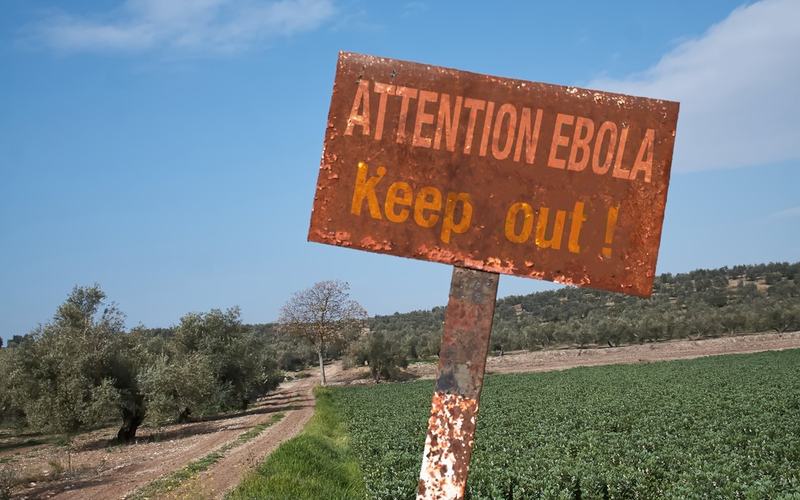
The death toll from the ongoing Ebola outbreak in the Democratic Republic of the Congo has surpassed 5,300, marking the largest and fastest-growing epidemic of the disease in the country's history.
Africa Centres for Disease Control and Prevention data released Monday showed 5,376 total deaths, including 5,372 in the DRC, two in Kenya and two in Uganda. The outbreak has infected more than 10,444 people since it was declared in mid-May, yielding a fatality rate above 50 percent.
The Bundibugyo strain drives the epidemic, which has affected eight of the DRC's 26 provinces. It began in Ituri province and has spread amid conflict that complicates containment efforts. Health workers have faced particular risks, with more than 50 reported deaths among them.
Neighboring countries have seen limited spillover. Uganda recorded 20 cases before being declared Ebola-free in August. Kenya confirmed its first cases in October, with nine infections and two deaths. Nigeria reported a suspected case that tested negative after multiple rounds.
This marks the DRC's 17th Ebola outbreak and the second-largest worldwide after the 2014-2016 West Africa epidemic. The rare Bundibugyo species lacks approved vaccines or treatments, though clinical trials have started for candidate vaccines.
Health authorities have urged stronger border surveillance and community cooperation to slow transmission. Insecurity in affected zones and delays in detection have allowed the virus to spread more rapidly than in prior outbreaks.
The World Health Organization and other agencies continue to support response measures, including contact tracing and treatment centers, while emphasizing the need for sustained access to hard-hit areas.

Comments
No comments yet. Be the first to share your thoughts.