
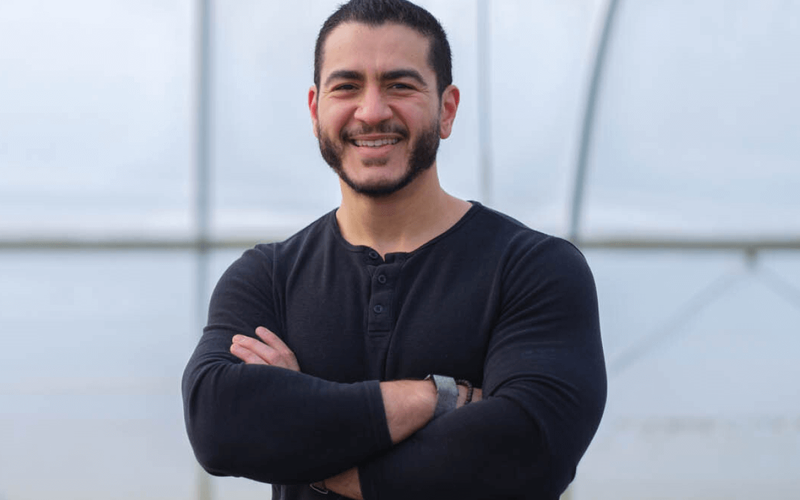
The father of Abdul El-Sayed, the Democratic candidate for the U.S. Senate in Michigan, has served on the board of Life for Relief and Development, a Michigan-based Islamic charity that has faced federal investigations and scrutiny over its financial dealings and alleged associations.
Dr. Mohammed El-Sayed, an engineering professor at Eastern Michigan University and an imam, has been listed as a board member of the organization since at least 2020, according to federal tax records reviewed by the Washington Free Beacon.
The charity reached a $780,000 settlement with the Treasury Department’s Office of Foreign Assets Control in 2014 over transfers to Iraq made between September 2002 and March 2003. Federal officials alleged that the organization knowingly routed money through Jordan despite warnings that the transactions violated U.S. sanctions imposed on Saddam Hussein’s government.
The Treasury Department characterized the matter as an “egregious case,” stating that senior leaders directed the transfers despite receiving written notice that they were prohibited.
The organization had also drawn attention from U.S. authorities during and after the Iraq War. In June 2004, American troops raided its Baghdad headquarters and seized 12 computers and 20 boxes of documents, according to contemporaneous reporting by the San Francisco Chronicle. The charity’s leadership denied wrongdoing, arguing that its humanitarian work in dangerous areas of Iraq may have prompted unfounded suspicions.
Federal scrutiny continued in the United States. The FBI raided the organization’s Michigan offices in 2006, and its former chief executive was indicted the following year on sanctions and money-laundering charges. Muthanna al-Hanooti, a former public relations coordinator for the charity, later pleaded guilty to violating the International Emergency Economic Powers Act after facing allegations related to Saddam Hussein’s government.
The Washington Free Beacon also reported that two current officials with Life for Relief and Development appeared in a directory of Muslim Brotherhood figures introduced by federal prosecutors during the Holy Land Foundation terrorism-financing trial. The outlet further reported that three officials associated with the charity each donated $1,000 to Abdul El-Sayed’s Senate campaign.
These reported connections do not establish that Abdul El-Sayed participated in wrongdoing. The cited reporting identifies no criminal charges against the candidate or his father in connection with the charity’s past activities.
Life for Relief and Development describes itself as an international humanitarian organization that provides assistance to communities affected by disasters and conflicts. Mohammed El-Sayed and the charity did not respond to the Free Beacon’s requests for comment, and the candidate’s campaign did not provide an on-the-record response.
The controversy emerges as Abdul El-Sayed faces Republican Mike Rogers in Michigan’s closely watched Senate race. The latest RealClearPolitics polling average cited in the report showed El-Sayed leading Rogers by 3.2 percentage points. The contest could help determine which party controls the Senate.

Comments
No comments yet. Be the first to share your thoughts.