
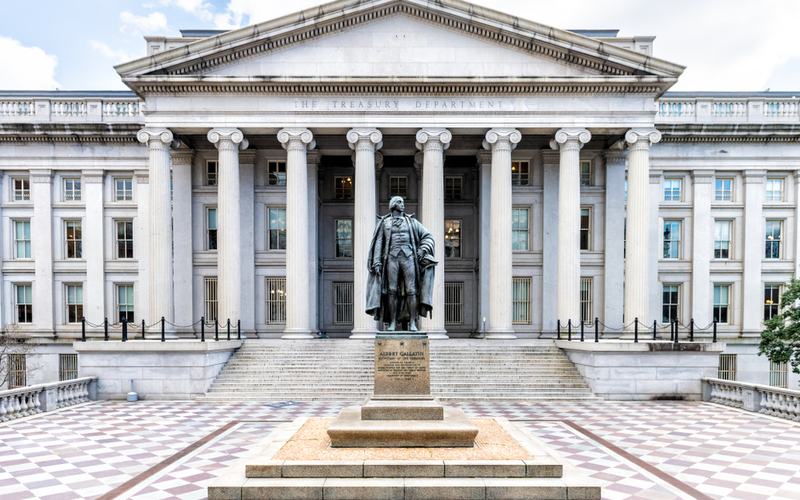
The U.S. federal budget deficit climbed to $1.99 trillion in fiscal year 2026, a 12% increase from the previous year and the highest annual shortfall since 2021, according to Treasury Department data released Friday.
The deficit rose from $1.78 trillion in fiscal 2025 as federal spending continued to outpace revenue. The figures underscore the challenge facing President Donald Trump’s administration as it seeks to reduce government spending and narrow the national budget gap.
Interest payments on federal debt were a major contributor to the increase. Those costs jumped $144 billion over the year to a record $1.36 trillion, driven by the roughly $32 trillion in publicly held U.S. debt and higher borrowing costs.
Expected revenue from Trump’s tariffs also fell short of fully offsetting federal expenditures. After the Supreme Court struck down the administration’s global duties in February, the government recorded approximately $145 billion in customs refunds over the fiscal year, largely associated with tariffs.
Total federal revenue increased 3% to $5.40 trillion in the fiscal year ending September 30. Spending, however, climbed 6% to $7.40 trillion, leaving a gap of nearly $2 trillion between what the government collected and what it spent.
The administration has pursued spending reductions since Trump returned to the White House, including cuts to the federal workforce and foreign aid. Republicans in Congress also approved reductions to Medicaid and moved to scale back federal food assistance programs.
At the same time, lawmakers extended expiring tax cuts and approved additional funding for the administration’s immigration enforcement and deportation efforts. Higher individual tax collections and customs revenue were offset by increased refunds and weaker corporate tax collections.
Defense spending also increased. Federal expenditures on military programs rose by $48 billion, or 6%, to $917 billion during the fiscal year.
The deficit amounted to approximately 6.2% of gross domestic product, up from 5.8% the previous year, according to a Treasury official. Treasury Secretary Scott Bessent has previously identified reducing the deficit to 3% of GDP as an administration goal, alongside a target of 3% economic growth.
The latest figures arrive roughly two weeks before the November midterm elections, when Republicans are seeking to retain control of Congress. Proposals from both parties could add further pressure to the federal budget.
Trump recently pledged to provide $5,000 payments to American adults if Republicans maintain control of Congress. The proposal could cost more than $1 trillion, according to the report. Democrats, meanwhile, have proposed reversing Medicaid cuts and restoring health care tax breaks.
With interest costs continuing to climb and spending remaining well above revenue, reducing the deficit remains a major fiscal challenge for Washington.

Comments
No comments yet. Be the first to share your thoughts.