
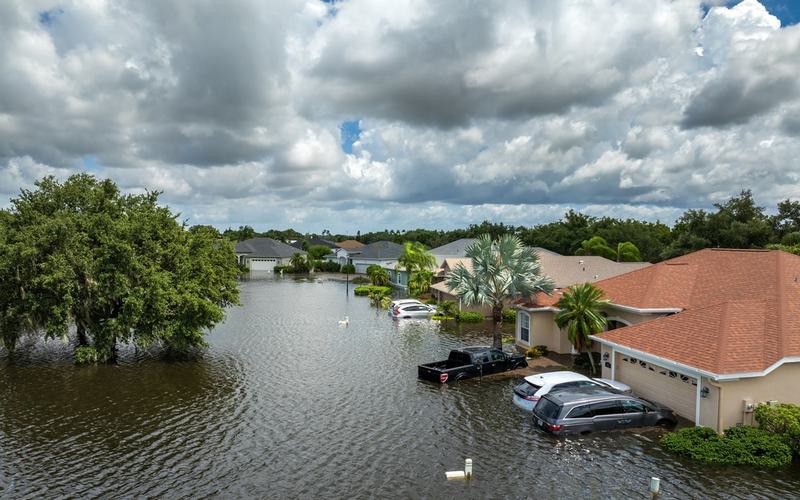
Flooding continued to threaten communities along Florida's Atlantic coast Saturday as additional rain slowed efforts to recover from historic inundation, while officials in Northern California prepared for potentially record-breaking coastal flooding during the busy Thanksgiving travel period.
San Francisco Mayor Daniel Lurie warned residents that the city was facing an unusually dangerous weather event, citing forecasts from the National Oceanic and Atmospheric Administration and National Weather Service. He urged people to prepare for possible flooding, gather essential supplies, and reconsider holiday travel plans.
Lurie said forecasters had told city officials that the approaching tides could reach levels never previously recorded in San Francisco. City crews were preparing to protect residents and businesses as the storm approached.
The California threat is being intensified by king tides, the highest tides of the year, which are expected to coincide with heavy rain and storm conditions. Forecasters warned that water could reach as much as 2 feet in low-lying areas near the shoreline and tidal waterways through early Monday. Additional coastal flooding was expected in other parts of the Pacific coast through Thursday afternoon.
The weather systems affecting Florida and California are associated with El Niño, a natural warming of Pacific Ocean waters near the equator that can influence weather patterns around the world. The conditions have contributed to unusual weather during a period when Florida normally begins its dry season, which typically lasts from October through May.
In Florida, scattered showers continued to aggravate flooding that had already submerged large portions of the state's Atlantic coast earlier in the week. Floodwaters trapped residents in parts of northeastern Florida, and officials warned that river levels could continue climbing even after the heaviest rainfall moved away.
Melissa Watson, a National Weather Service meteorologist in Melbourne, said water levels along the St. Johns River were expected to rise as additional light rain moved through the region. The river, Florida's longest, had already reached record levels near Cocoa, surpassing a mark set in 1953 on Thursday.
Watson cautioned that the flooding would not quickly subside, even if rainfall diminished. Officials expect elevated river levels to persist for an extended period, complicating recovery efforts for communities along the waterway.
Meanwhile, the National Weather Service issued marine warnings along Florida's Atlantic coast Saturday, alerting boaters to thunderstorms capable of producing waterspouts and dangerous conditions. Beachgoers were also urged to avoid hazardous surf and rip currents.
The combination of lingering Florida floods and the approaching California storm presents additional challenges as millions of Americans prepare to travel for Thanksgiving. Officials in both regions urged residents to monitor weather alerts and take precautions as conditions continue to develop.

Comments
No comments yet. Be the first to share your thoughts.