
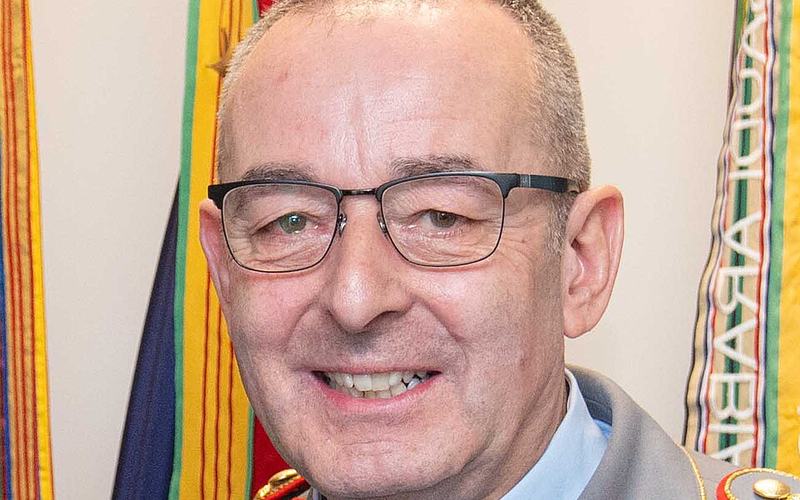
Germany's chief of defense, Gen. Carsten Breuer, was elected Saturday as the next chairman of NATO's Military Committee, the alliance's top military authority. The 32 chiefs of defense voted in Copenhagen to name the 61-year-old German general to succeed Italian Adm. Giuseppe Cavo Dragone.
Breuer will assume the role in July 2027 for a three-year term. He defeated Canada's chief of defense, Gen. Jennie Carignan, in the secret ballot. The position makes him the principal military adviser to NATO Secretary General Mark Rutte and the senior link between the alliance's political and military structures.
The election marks the first time a German has held the post in more than two decades. The previous German chairman was Gen. Harald Kujat, who served from 2002 to 2005. Breuer's selection reflects Germany's position as Europe's leading defense spender, with expenditures around €125 billion according to NATO figures.
Breuer has led the Bundeswehr since 2023 and previously headed a crisis committee during the COVID-19 pandemic under then-Chancellor Olaf Scholz. He joined the German armed forces in 1984 and served with NATO forces in Afghanistan in 2014.
Current chairman Dragone congratulated Breuer on social media, citing his operational judgment, familiarity with the alliance, and leadership of the German armed forces. The vote occurred amid heightened Euro-Atlantic security demands and ongoing pressure on European allies to increase defense capabilities.
Germany has prioritized military modernization and spending growth in recent years, aiming to double expenditures beyond €200 billion by 2030. Breuer's elevation underscores Berlin's expanding influence within NATO's command structure at a time when the alliance faces sustained challenges from Russia and shifting transatlantic dynamics.
Breuer thanked his fellow chiefs of defense for their confidence, noting the significant tasks ahead for the alliance in ensuring security and peace in Europe and beyond. The outcome also highlights the role of major European contributors in shaping NATO's military leadership.

Comments
No comments yet. Be the first to share your thoughts.