
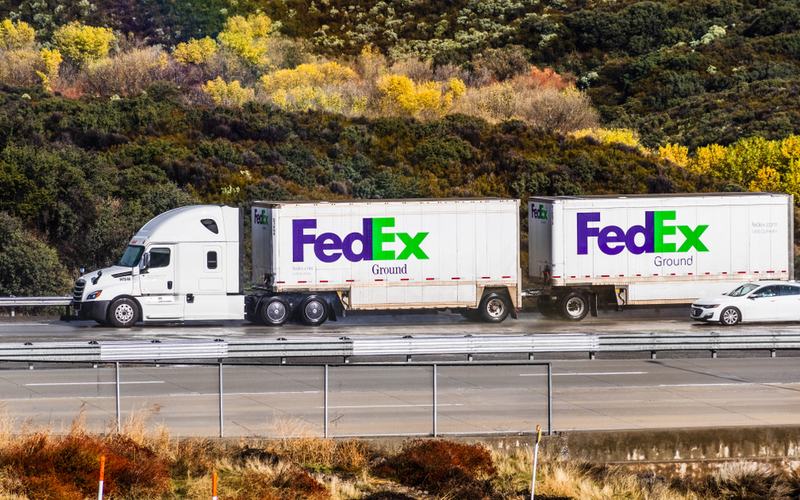
U.S. retailers are preparing for record-high parcel shipping costs this holiday season as rising diesel prices and higher carrier fuel surcharges increase the expense of delivering online orders. Shipping rates are expected to climb across both standard ground deliveries and faster express services, adding pressure on businesses during one of the most important sales periods of the year.
Ground parcel delivery prices are projected to be 5.8% higher in the fourth quarter of 2026 than during the same period last year, according to the TD Cowen/AFS Freight Index. Prices for express deliveries are expected to rise 13.8%. The index analyzes anonymized shipping data from approximately 1,800 shippers, including major retailers, and measures percentage changes rather than fixed dollar amounts because costs vary by package size, weight, and destination.
Fuel expenses are a major factor behind the increases. The average U.S. on-highway diesel price reached $6.28 per gallon as of October 19, according to the Energy Information Administration. That represents a 65% increase since the United States and Israel attacked Iran on February 28.
However, higher diesel prices explain less than one-third of the increase in fuel surcharge costs, according to Mingshu Bates, chief analytics officer at AFS Logistics. Changes to how major carriers calculate their surcharges have also contributed to higher shipping expenses, meaning retailers can face substantially larger fees even when diesel prices decline.
The TD Cowen/AFS index illustrates the shift by comparing fuel surcharges with historical diesel prices. When diesel averaged $2.91 per gallon in the first quarter of 2021, the index's fuel surcharge stood at 7.75% of the base shipping rate. At the same diesel price today, the surcharge would be approximately 23.75%, more than three times the earlier level.
At the Energy Information Administration's reported diesel price of $6.28 per gallon, UPS's published fuel surcharge was 29.5%, while FedEx's was 29%, according to their surcharge tables. UPS said its pricing reflects the premium services it provides and its investments in infrastructure. FedEx did not immediately comment.
The increases come as UPS and FedEx prepare to report quarterly earnings, with investors watching for signs that customers are resisting higher surcharges. Retailers negotiate fuel fees and other delivery costs with carriers as part of their shipping contracts, but the holiday rush leaves businesses with limited time to adjust their arrangements.
The fourth quarter is particularly important for retailers because package volumes can double during the holiday season. Jess Dankert, vice president of supply chain at the Retail Industry Leaders Association, said businesses spend much of the year preparing for the period and are looking for ways to limit delivery expenses.
Some retailers are encouraging customers to return online purchases in physical stores, while others are adding delivery providers to their networks. Companies including OnTrac, GoFo, UniUni, Jitsu and Veho collectively cover about 70% of the U.S. population and have expanded capacity ahead of the seasonal surge, according to Satish Jindel, president of delivery management firm ShipMatrix. Jindel said shippers are increasingly turning to these providers to reduce transportation spending.
Alternative carriers are not necessarily immune to rising fuel costs. OnTrac, for example, listed a 29.5% fuel surcharge for its West Coast operations for the week ending October 25.
Retailers may also consider the U.S. Postal Service or Amazon's logistics network. The Postal Service introduced an 8% fuel surcharge on most packages in April, its first such fee, while Amazon began charging sellers a 3.5% fuel and logistics-related surcharge on fulfillment fees during the same month.
Switching providers can create additional complications. Dividing shipments among multiple carriers may reduce the volume discounts available from individual companies, while holiday delivery schedules are often negotiated months in advance. Those factors can make last-minute changes difficult and limit potential savings.
JPMorgan analysts have also cautioned that Amazon is unlikely to displace UPS and FedEx from their dominant positions in the parcel delivery market in the near term. With shipping prices elevated and fuel surcharges adding to costs, retailers are weighing alternative delivery arrangements while trying to protect margins during the holiday shopping season.

Comments
No comments yet. Be the first to share your thoughts.