
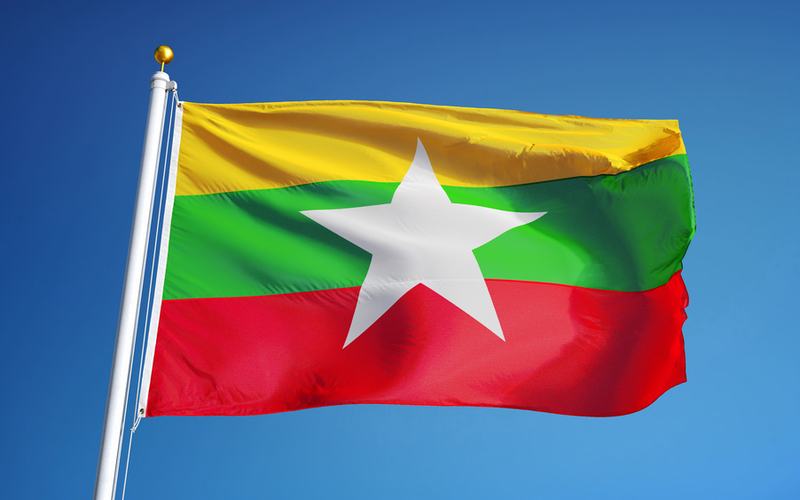
The International Court of Justice ruled Thursday that Myanmar committed genocide against the Rohingya minority, marking the first time the UN's top court has held a state accountable for the crime in its history.
Presiding Judge Iwasawa Yuji delivered the judgment during a nearly three-hour reading in The Hague. The court determined by a 9-6 vote that the scale and nature of Myanmar's 2017 atrocities against the Rohingya went beyond punishment and showed intent to destroy a substantial part of the group in northern Rakhine state. It cited widespread killings, sexual violence, extreme violence against children, and attacks on those fleeing to Bangladesh.
The case was brought by Gambia in 2019 under the 1948 Genocide Convention. Evidence supported estimates that Myanmar forces killed about 10,000 Rohingya during the clearance operations, which displaced more than 730,000 people. The court concluded that genocidal intent was the only reasonable inference from the patterns of conduct.
Myanmar has denied genocide, describing the operations as a legitimate response to attacks by the Arakan Rohingya Salvation Army. The ruling also found Myanmar violated its obligation to prevent genocide.
The decision comes amid broader scrutiny of international justice institutions, including criticism from the Trump administration. It is expected to influence other pending cases, such as South Africa's accusations against Israel.
More than 1.2 million Rohingya remain in refugee camps in Bangladesh. The ICJ has no enforcement powers, but the ruling adds significant international pressure on Myanmar's military leadership.

Comments
No comments yet. Be the first to share your thoughts.