
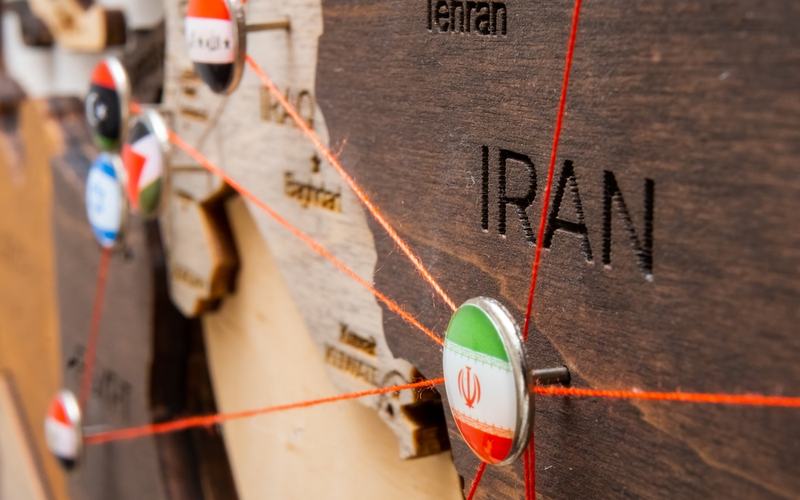
Iran has stepped up attacks on commercial shipping and American military installations across the Middle East, seeking to disrupt traffic through the Strait of Hormuz and pressure President Donald Trump to bring the conflict to a decisive conclusion. The escalation comes as the United States maintains a naval presence in the strategic waterway and continues applying economic pressure against the Iranian regime.
At least six strikes against commercial vessels have been confirmed by the United Kingdom Maritime Trade Operations over the past week, according to a report by the New York Post. Iran has targeted ships attempting to move through the strait, where American naval forces are escorting oil shipments. Approximately 8 million barrels of oil continue to pass through the waterway each day despite Tehran's efforts to interfere with maritime traffic.
Iran has also launched attacks against U.S. military installations in Bahrain and Kuwait in recent days, raising concerns about a broader confrontation. U.S. Central Command said Tuesday that American defenses intercepted Iranian drones targeting a radar installation in Bahrain. The incident caused no damage and resulted in no American casualties, according to CBS News.
The renewed attacks come as Trump considers whether to authorize another major round of military operations against Iran. Speaking with Axios aboard Air Force One on Thursday while returning from China, the president said he was not rushing into a decision and would assess the situation after the beginning of the new year.
The administration's current approach appears focused on maintaining the naval blockade and economic sanctions while preserving the option of further military action. The pressure is intended to weaken Tehran's ability to sustain the confrontation and encourage its leaders to reconsider their position.
Iranian officials, however, have indicated they are unwilling to accept an extended standoff. Mohammad Bagher Ghalibaf, Iran's chief negotiator, told parliament Sunday that the country would not remain in a state of "neither war nor peace." He added that Tehran was prepared for either negotiations or continued conflict.
Analysts say Iran's increasingly aggressive actions may reflect the economic strain facing the regime. Hamidreza Azizi, an Iran analyst at the International Crisis Group, told Al Jazeera that the two sides have different calculations about the costs of prolonging the confrontation. He warned that mounting economic pressure could make Tehran more willing to take military risks in an attempt to break the deadlock.
Despite significant damage to Iran's military capabilities during the war, the latest attacks demonstrate that Tehran retains the ability to threaten American forces and regional allies. Disruptions to shipping through the Strait of Hormuz could also have consequences for international energy markets, given the waterway's importance to global oil supplies.
Israeli Prime Minister Benjamin Netanyahu has reportedly urged Trump to authorize another major bombing campaign targeting Iranian military and nuclear facilities. Axios reported that the White House has requested assessments from the Pentagon and intelligence agencies examining potential strikes and the possibility of Iranian retaliation against oil and gas infrastructure across the Persian Gulf.
For now, the Trump administration appears to be giving economic and military pressure more time to affect Tehran's calculations. However, continued attacks on commercial vessels and American installations risk widening the conflict and threatening energy supplies across the region.

Comments
No comments yet. Be the first to share your thoughts.