
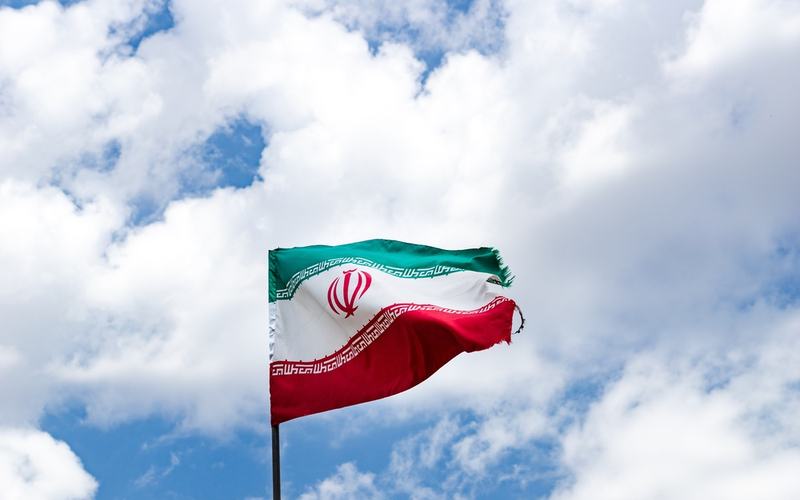
Iranian hardliners are openly calling for Tehran to build nuclear weapons and exit the Nuclear Non-Proliferation Treaty in the wake of Supreme Leader Ayatollah Ali Khamenei's killing.
The shift comes months after U.S. and Israeli strikes on February 28 killed Khamenei and several family members during the opening phase of conflict between Iran and the U.S.-Israel alliance. His son and successor, Mojtaba Khamenei, has remained silent on his father's long-standing religious fatwa against atomic bombs.
Reports indicate that support for nuclear armament within the regime has risen sharply. One insider told the Financial Times that backing for weapons development grew from near zero to over 50 percent since the leader's death. Advocates point to North Korea's arsenal as evidence that possession deters foreign attacks.
Political activist Davoud Modarresian wrote this month that nuclear weapons represent a necessity more important than bread amid recent military confrontations. Parliament's National Security Committee member Hassan Ghashghavi suggested the new supreme leader could issue a different ruling on the issue.
Lawmaker Ahmad Naderi stated his understanding that Mojtaba Khamenei's approach would differ from his father's prohibition. Other hardliners, including analyst Abolfazl Bazargan, have argued that permanently ruling out nuclear options amounts to self-defeat and proposed a doctrine focused on retaliation rather than first use.
Iran's official stance continues to describe its nuclear program as peaceful, though the country maintains a stockpile of 60 percent enriched uranium. The public debate marks a notable departure from prior taboos under the late Khamenei.
These developments follow intensified scrutiny from U.S. officials, including demands by President Donald Trump for Iran to dismantle aspects of its program. The calls from hardliners highlight ongoing tensions in the region after the U.S.-Israeli military campaign.

Comments
No comments yet. Be the first to share your thoughts.