
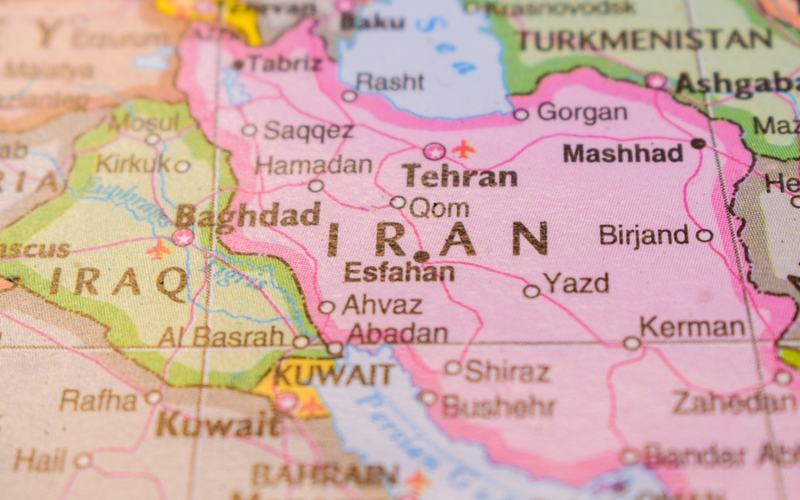
The Pentagon disclosed Tuesday that Iranian forces have attacked U.S. troops more than 10 times since a fragile ceasefire went into effect last month, even as the U.S. military pressed ahead with operations to reopen the Strait of Hormuz.
Chairman of the Joint Chiefs of Staff Gen. Dan Caine told reporters that the incidents, along with Iran firing on nine commercial vessels and seizing two container ships, remained "below the threshold" for resuming major combat operations. Defense Secretary Pete Hegseth echoed that assessment, insisting the ceasefire "is not over."
The latest confrontation unfolded Monday and Tuesday in the Strait of Hormuz, where two U.S. Navy destroyers escorted two commercial vessels through the vital waterway as part of "Project Freedom," an effort to restore freedom of navigation after Iran closed the strait at the war's outset. Iranian Revolutionary Guard Corps forces launched missiles, drones, and gunfire from small boats at the U.S. ships, but the destroyers fended off the assault with support from helicopters and fighter jets. U.S. Central Command reported sinking six Iranian boats in response, with no damage or injuries to American personnel.
Iranian state media claimed two missiles struck a U.S. destroyer, a report denied by U.S. officials. The clashes coincided with Iranian missile and drone barrages targeting the United Arab Emirates, where air defenses intercepted 15 missiles and four drones. A drone strike ignited a fire at a Fujairah facility, injuring three Indian nationals, while two cargo ships burned off the UAE coast.
The incidents tested a truce agreed to on April 8, 2026, and mediated by Pakistan following five weeks of intense fighting in the 2026 Iran war. That conflict erupted on February 28 when the United States and Israel launched airstrikes on Iranian military and nuclear sites, prompting Tehran to mine the Strait of Hormuz and launch retaliatory strikes. The ceasefire called for an immediate halt to hostilities, reopening of the strait, and negotiations on issues including sanctions relief and Iran's nuclear program, though the strait has remained largely closed, stranding over 1,550 vessels and 22,500 mariners.
U.S. officials described the Hormuz operation as essential to easing global energy pressures, with the strait accounting for one-fifth of the world's oil consumption. Iran has condemned the transits as violations of the truce and vowed to target vessels attempting passage. UAE authorities labeled the attacks "renewed treacherous Iranian aggression."
Despite the provocations, the Pentagon emphasized resolve in securing shipping lanes without broader escalation. President Donald Trump has maintained a firm stance, previously warning Iran against further disruptions. The U.S. continues its naval presence in the Gulf, prepared to defend against threats while pursuing diplomatic channels in Islamabad.

Comments
No comments yet. Be the first to share your thoughts.