
Iran has started using a railway corridor to export crude oil to China, a move aimed at dodging intensified U.S. sanctions on its shadow fleet of tankers.
The Wall Street Journal reported Tuesday that Iran is attempting rail exports amid a buildup of unsold oil stored in derelict tanks across the country. Hamid Hosseini, spokesman for the Iranian Oil Exporters Union, confirmed the effort to move oil by rail to China, Iran's top customer, which absorbs more than 80% of Tehran's crude exports.
The overland route, operational since May 2025 as part of China's Belt and Road Initiative, traverses Central Asia and takes about 15 days compared to 40 days by sea. This comes as U.S. naval pressures in the Strait of Hormuz threaten maritime shipments, prompting Tehran to seek alternatives.
The push for rail coincides with fresh U.S. sanctions announced last Friday by the Treasury Department. Officials targeted Hengli Petrochemical (Dalian) Refinery Co., Ltd., China's second-largest independent "teapot" refinery, for purchasing billions of dollars in Iranian petroleum since 2023. Hengli received cargoes from sanctioned vessels like BIG MAG, GALE, and ARES, which delivered millions of barrels.
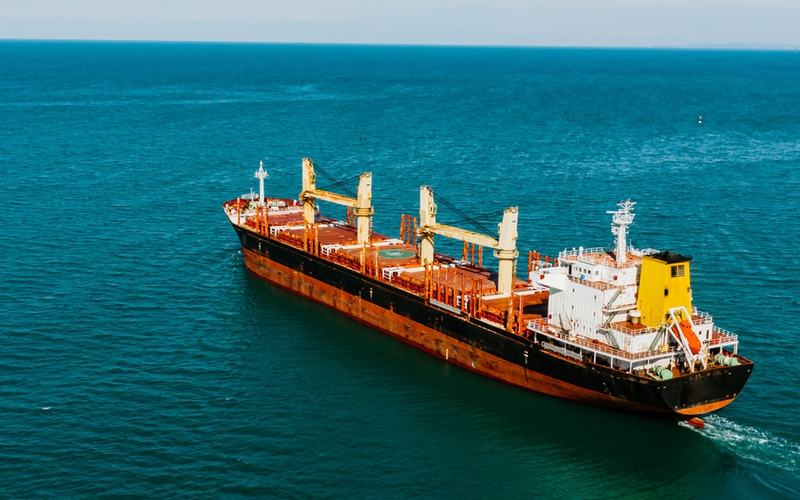
The sanctions also hit around 40 shipping firms and vessels in Iran's shadow fleet, which uses aging tankers, ship-to-ship transfers at sea, and opaque ownership to obscure origins and evade detection. These operations sustain Iran's oil revenue, funding its military, proxy groups, and regional activities.
China's teapot refineries play a central role, buying the bulk of discounted Iranian crude despite U.S. restrictions. The Treasury action is part of the Trump administration's "Economic Fury" campaign, which has sanctioned over 1,000 Iran-related entities since February 2025.
Rail capacity remains limited, handling only a fraction of sea volumes, but it offers a hedge against maritime vulnerabilities. Reports suggest initial shipments may have reached 1.2 million tons, though details are unconfirmed.
U.S. officials warn that secondary sanctions could extend to land routes, targeting operators or financiers involved. As tensions persist in the Middle East, Iran's evasion tactics continue to challenge enforcement efforts.

Comments
No comments yet. Be the first to share your thoughts.