
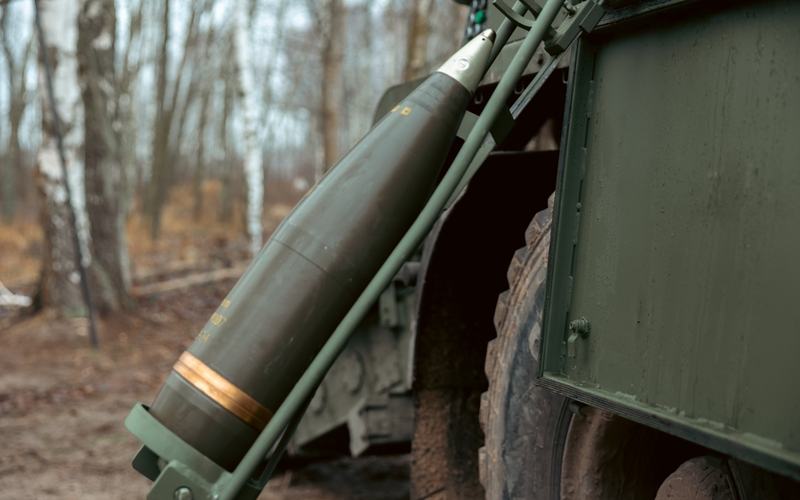
A recent analysis revealed that the U.S. military has depleted significant portions of its critical munitions stockpiles during the ongoing war with Iran, at a cost approaching $1 billion per day.
The conflict began on February 28, 2026, when the United States and Israel launched airstrikes under Operation Epic Fury, targeting Iranian military sites, nuclear facilities, and leadership, including the assassination of Supreme Leader Ali Khamenei. Iran responded with missile and drone barrages at U.S. bases, Israel, and Gulf allies, while closing the Strait of Hormuz and laying mines. A fragile ceasefire took effect on April 8, but naval blockades persist, with recent interceptions of ships as late as April 23.
The Pentagon struck more than 13,000 targets, expending vast quantities of high-cost weapons. More than 1,200 Patriot interceptor missiles were used, each costing over $4 million, to counter cheap Iranian Shahed drones priced at $20,000 to $50,000. Over 1,100 long-range stealth cruise missiles designed for potential conflicts with China were fired, nearly exhausting stockpiles. More than 1,000 Tomahawk cruise missiles and 1,000 Precision Strike and ATACMS ground-launched missiles were also depleted.
A Center for Strategic and International Studies report detailed further strain: 45% of Precision Strike Missiles, 50% of THAAD interceptors, and nearly 50% of Patriot ballistic interceptors were used in the first seven weeks. The seven major munitions cost about $24 billion so far. Total war expenses reached $28 billion to $35 billion before the ceasefire, equating to under $1 billion daily.
Production lags exacerbate the issue. The U.S. produced around 600 Patriot interceptors in 2025, far below usage rates. Replenishing to prewar levels could take one to four years under current pipelines. The Pentagon rushed supplies from Asia and Europe, reducing readiness against Russia and China.
Defense officials noted the imbalance, with expensive U.S. interceptors countering low-cost Iranian threats. CSIS analysts warned of risks for a Pacific war, while production deals with Lockheed Martin and RTX aim to quadruple output, pending funding. Lawmakers discussed supplemental appropriations amid concerns over sustained operations.
The depletions highlight vulnerabilities exposed by the conflict, even as U.S. strikes reduced Iranian missile launches by 90% early on. With blockades ongoing and talks stalled, the strain on stockpiles continues.

Comments
No comments yet. Be the first to share your thoughts.