
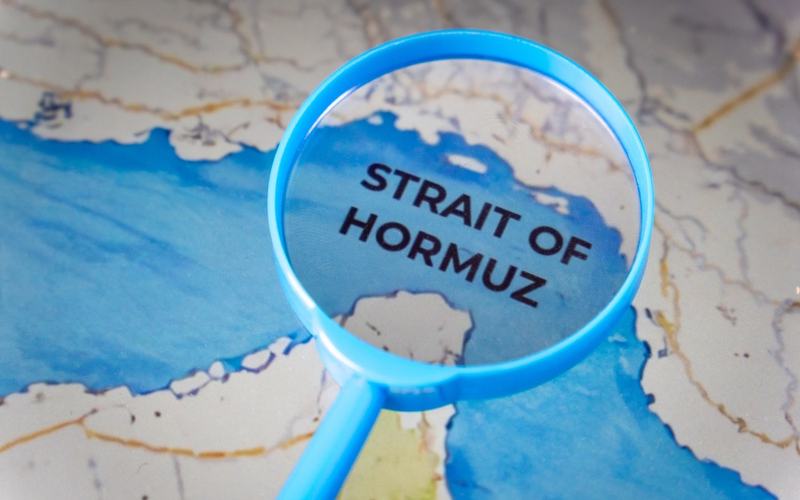
Two cargo ships have sunk near the Strait of Hormuz following attacks attributed to Iranian forces, underscoring the escalating threat to global shipping lanes and energy markets.
The Singapore-flagged container ship GFS Pride was struck by unknown projectiles on October 13 while transiting the strait. The vessel caught fire, sustained severe damage, and sank the following day. Singapore's Maritime and Port Authority confirmed that all 21 crew members were safely evacuated with no injuries reported. Iranian state media claimed the ship hit a naval mine on an unauthorized route, though maritime experts have pointed to a projectile or drone strike as the more likely cause.
In a separate incident, the Antigua and Barbuda-flagged bulk carrier Cape Dao sank near the strait after being hit by a projectile on September 23. One Indian crew member was killed in the earlier attack, and the remaining crew evacuated. Data from the International Maritime Organization confirmed the sinking this week.
These are the second and third vessels sunk in the region since the U.S.-Israel conflict with Iran began in February. Attacks have intensified sharply in recent days, with at least 10 ships struck since Sunday. Iranian forces have employed new tactics, including small boat spotters, following U.S. strikes that degraded their radar capabilities. U.S. forces recently destroyed an Iranian-linked dhow in the Gulf of Oman after it targeted American vessels.
Iranian officials have framed the operations as responses to U.S. sanctions and port blockades, aiming to disrupt oil flows and influence events ahead of U.S. midterm elections. Oil transit volumes through the strait have dropped significantly, pushing Brent crude prices above $106 per barrel.
The surge in incidents has raised alarms over supply chain stability and the safety of international maritime traffic in one of the world's most critical chokepoints for energy exports.

Comments
No comments yet. Be the first to share your thoughts.