
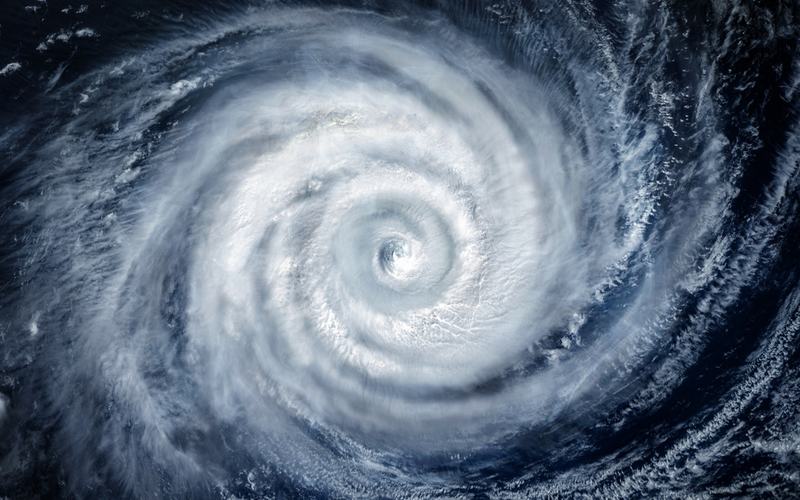
Isaias became the first hurricane of the 2026 Atlantic season late Wednesday after strengthening over the warm waters of the Gulf region, according to the National Hurricane Center.
The storm had maximum sustained winds of about 75 mph and was moving east-northeast at roughly 9 mph. Its center was located about 460 miles south-southwest of the Mississippi River as forecasters tracked its path toward the U.S. coast.
The hurricane’s development is unusually late for the Atlantic season. Isaias formed more than four months into hurricane season and came within one day of tying the record for the latest-forming first Atlantic hurricane, set in 1905 when the season’s first hurricane formed on Oct. 8.
Forecasters expect Isaias to reach the Gulf Coast between the Mississippi coast and Florida Panhandle late Friday or early Saturday. Heavy rainfall and potentially dangerous flash flooding are among the primary threats, with coastal communities already taking precautions.
Governors in Florida and Alabama declared states of emergency as officials prepared for the storm. Alabama Gov. Kay Ivey issued an emergency declaration covering 40 counties, while Florida Gov. Ron DeSantis declared emergencies in 25 counties across the Panhandle and Big Bend regions.
The declarations allow emergency officials to mobilize personnel and equipment ahead of the storm. Florida also planned to deploy an urban search and rescue team from Miami.
The approaching hurricane is already affecting the Gulf economy. Oil and gas companies have shut down a significant portion of offshore production, with roughly 25% of regional oil production temporarily halted as of Wednesday. That represented about 511,000 barrels per day, while eight of the Gulf’s 371 manned oil platforms had been evacuated.
The Gulf accounts for nearly 15% of annual U.S. crude oil production, meaning a major storm could put additional pressure on energy markets if production remains offline or the storm damages refineries.
Tourism and local events have also been disrupted. Organizers canceled the National Shrimp Festival in Gulf Shores, Alabama, which had been scheduled to begin Thursday and was expected to draw hundreds of thousands of visitors.
Officials along the coast urged residents to prepare without causing unnecessary alarm. In Pensacola, utility crews were positioned ahead of the storm so they could respond quickly to outages, while city officials provided sand for residents preparing sandbags.
The region has extensive experience with major hurricanes, including Hurricane Camille in 1969, Hurricane Katrina in 2005, and Hurricane Michael in 2018, all of which caused catastrophic damage and loss of life along the Gulf Coast.
While Isaias is not currently expected to produce impacts on that scale, officials are urging residents in vulnerable areas to monitor forecasts and complete preparations before conditions deteriorate.

Comments
No comments yet. Be the first to share your thoughts.