
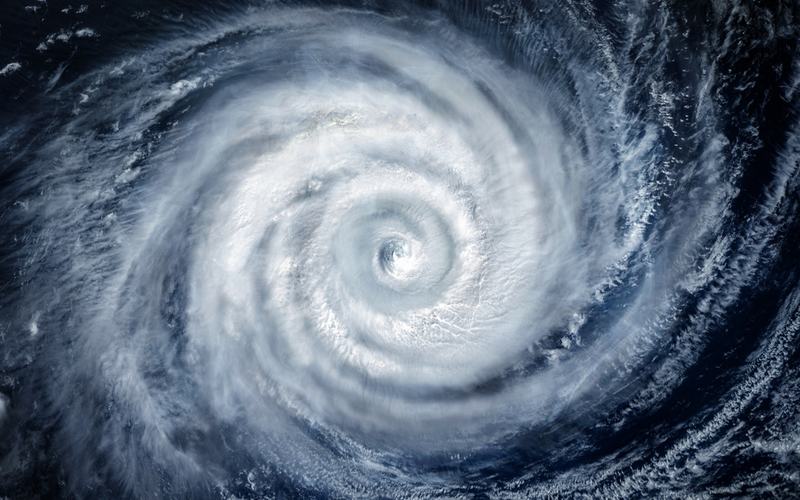
Hurricane Isaias strengthened into a major Category 3 hurricane Friday as it approached the U.S. Gulf Coast, threatening Florida, Alabama, and Mississippi with destructive winds, life-threatening storm surge, and heavy rainfall.
The storm's maximum sustained winds reached 120 mph, surpassing the 111 mph threshold for Category 3 status, according to the National Hurricane Center in Miami. Major hurricanes can cause devastating damage, particularly in coastal communities exposed to powerful winds and rising water.
Isaias, the first hurricane of the Atlantic season, is forecast to make landfall Friday evening near the Alabama-Florida state line. Forecasters expected the storm to approach the coast between Mobile Bay in Alabama and Choctawhatchee Bay in Florida's Panhandle.
Early Friday, the hurricane was centered approximately 200 miles south-southeast of the mouth of the Mississippi River and moving north at about 15 mph. Although forecasters anticipated that Isaias would weaken as it moved inland, they warned it could remain a significant hurricane when it reached the coast. The system was expected to weaken to a tropical storm by Saturday afternoon.
“Preparations should be rushed to completion as the weather will go downhill quickly today,” the National Hurricane Center warned in its morning forecast.
Beyond its powerful winds, Isaias threatened to produce storm surges of 5 to 7 feet along parts of the coast, with the highest water levels expected in immediate coastal areas. Large, dangerous waves, flash flooding and possible tornadoes added to the risks. Heavy rain and flooding were also possible through the weekend, extending inland as far as Tennessee and North Carolina.
A hurricane warning covered the coast from Ocean Springs, Mississippi, to the western Florida Panhandle. Tropical storm warnings extended from southeastern Louisiana eastward to the Aucilla River in Florida's Big Bend region.
Across the Gulf Coast, residents spent Thursday boarding up windows, filling sandbags and preparing to evacuate. Authorities issued evacuation orders for vulnerable communities, while Florida and Alabama declared states of emergency across dozens of counties.
Alabama Gov. Kay Ivey ordered non-residents to leave Gulf Shores, Orange Beach and Dauphin Island. Videos circulating on social media showed heavy traffic on a highway leading out of Gulf Shores as residents and visitors attempted to leave the area. Double-red beach flags signaled that entering the water was prohibited.
Florida Gov. Ron DeSantis said approximately 5,000 National Guard troops were expected to mobilize by Friday to assist with storm preparations and emergency response. Officials were also deploying National Guard personnel across the affected region as they prepared for potential rescues, evacuations, and storm damage.
On Dauphin Island, a roughly 15-mile barrier island off Alabama's coast, officials encouraged voluntary evacuations, particularly in the western section, which is especially vulnerable to storm surge.
Mayor Jeff Collier said he did not anticipate substantial damage but emphasized that residents needed to remain prepared as the storm approached.
“But at the same time, these things are very fickle and a little jog here or there, or some last-minute increase in strength, we just have to be prepared for the worst,” Collier said.
Meanwhile, in the Pacific Ocean, Hurricane Simon was also strengthening after forming as a tropical storm off Mexico on Wednesday. The system became a hurricane late Thursday and was forecast to intensify into a Category 4 storm.

Comments
No comments yet. Be the first to share your thoughts.